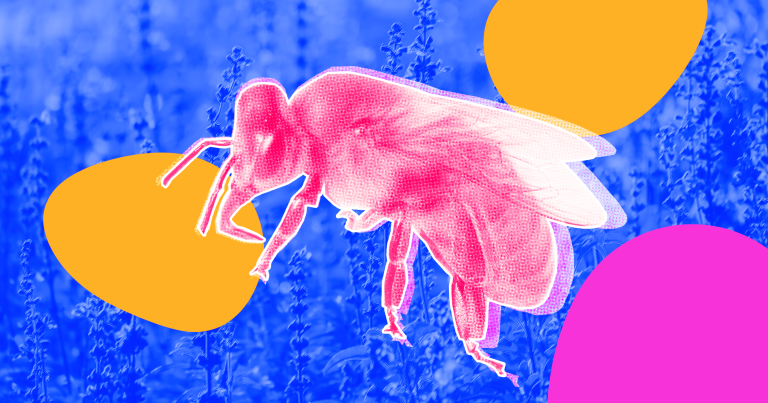
European Union Likely to Ban Common Insecticides to Save the Bees
New scientific evidence is likely to influence policies against the chemical.

New scientific evidence is likely to influence policies against the chemical.
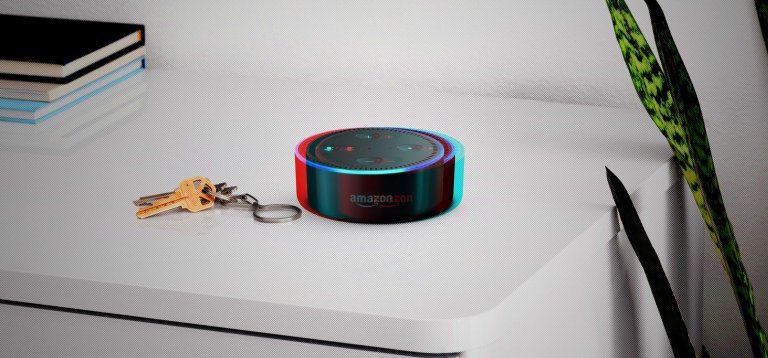
Amazon's algorithms are changing how companies market.
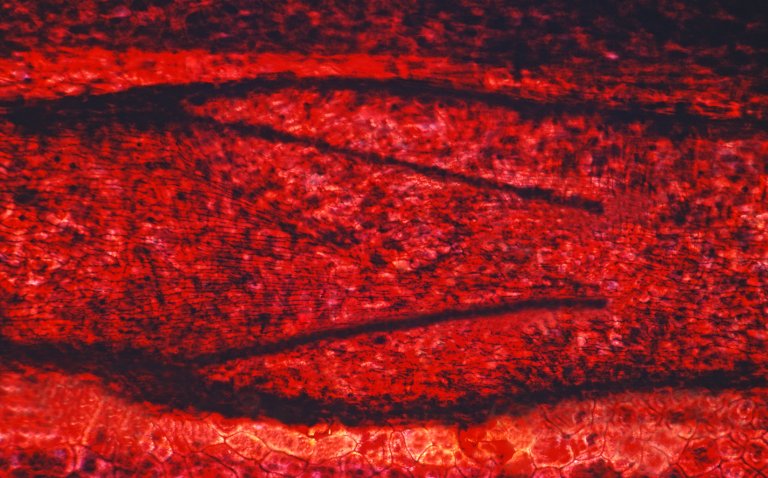
Much like CAR-T therapy, "superblood," or red blood therapies, can be modified to treat particular diseases like cancer and diabetes.
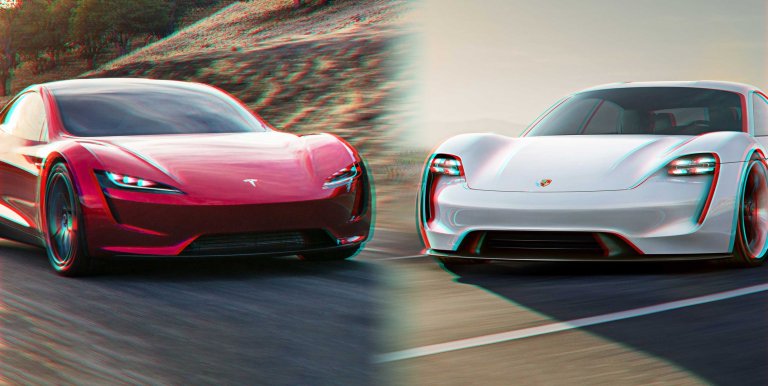
We compare the Mission E and Tesla’s new Roadster.
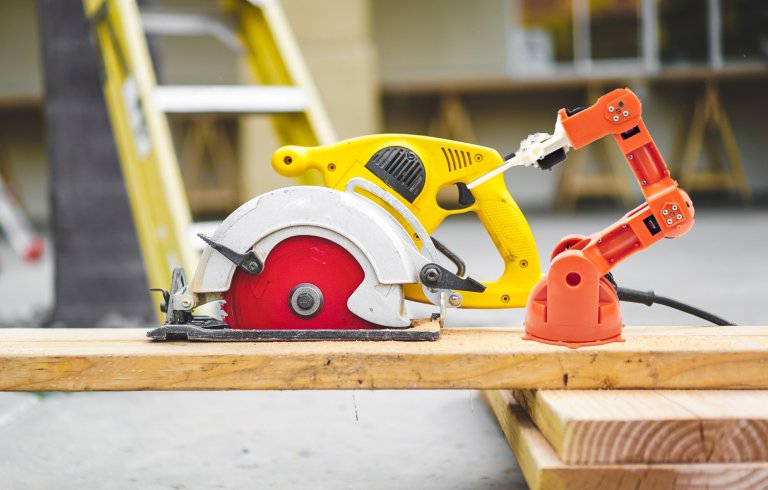
AutoSaw takes some of the danger out of carpentry.
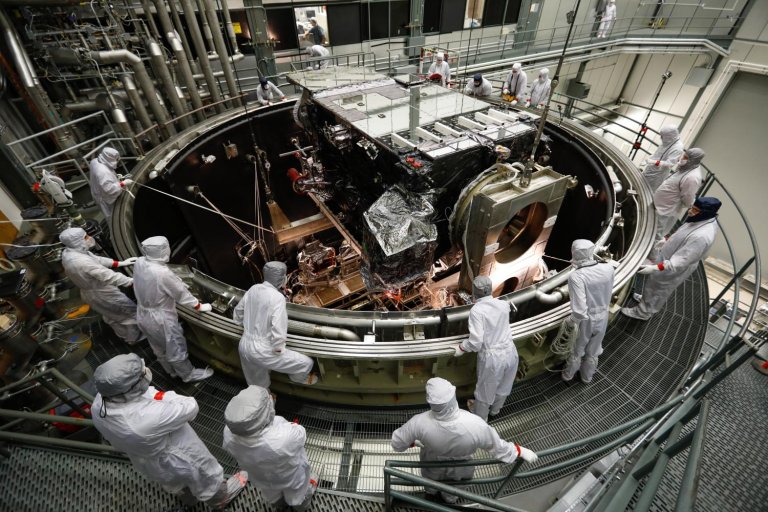
The GOES-17 satellite carries technology that could help us predict extreme weather.
“There's no logic in wrapping something as fleeting as food in something as indestructible as plastic.”
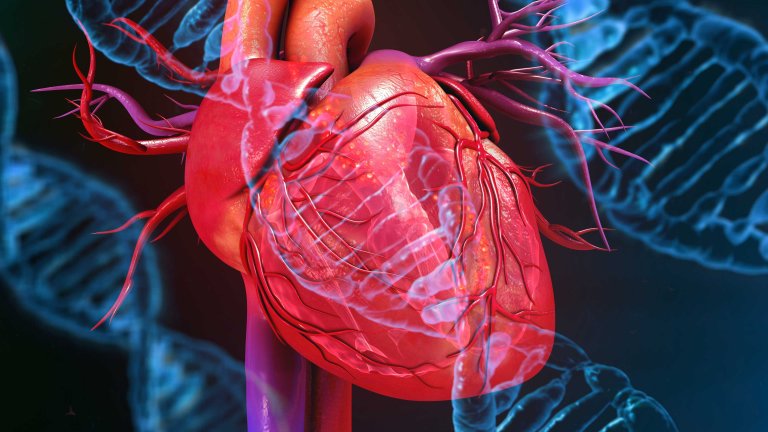
A new treatment could help us eliminate the cause of 1 in 4 deaths in the U.S.
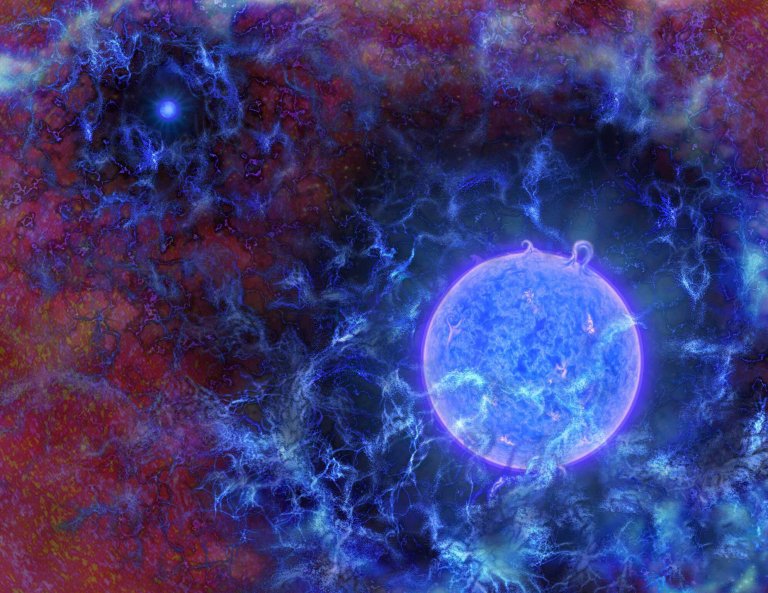
“It’s unlikely we’ll be able to see any earlier into the history of stars in our lifetime.”
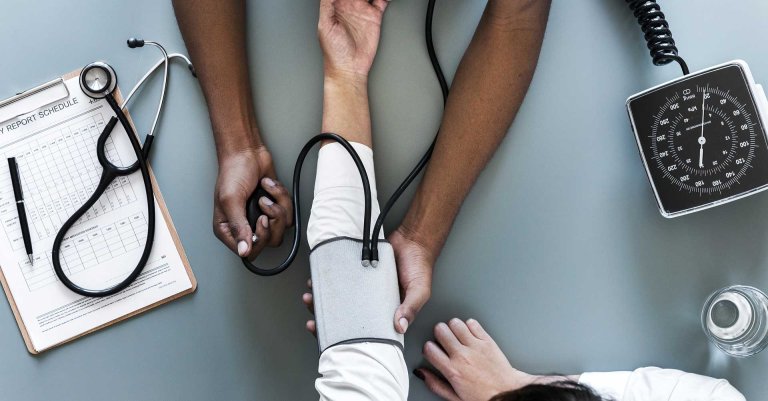
Precision medicine has the potential to be great for everyone, but it's currently on the verge of alienating multiple groups of people.
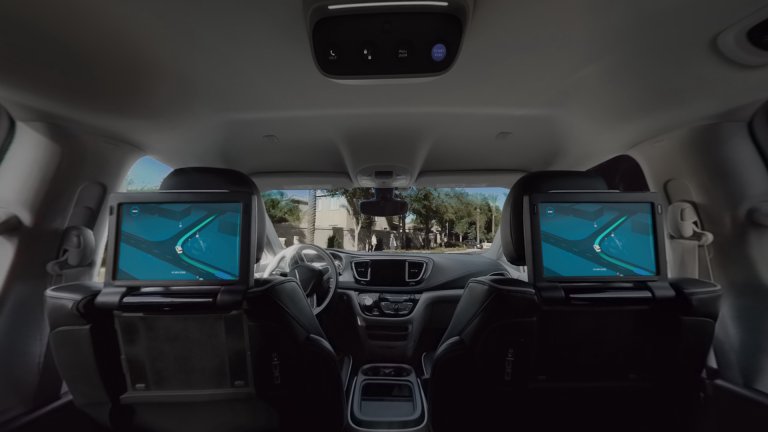
Waymo wants you to understand what its cars are seeing while on the road.
We may soon have book covers designed purely by AI.
A new study suggests that in many cases, the best way to help restore damaged ecosystems is to do nothing at all.
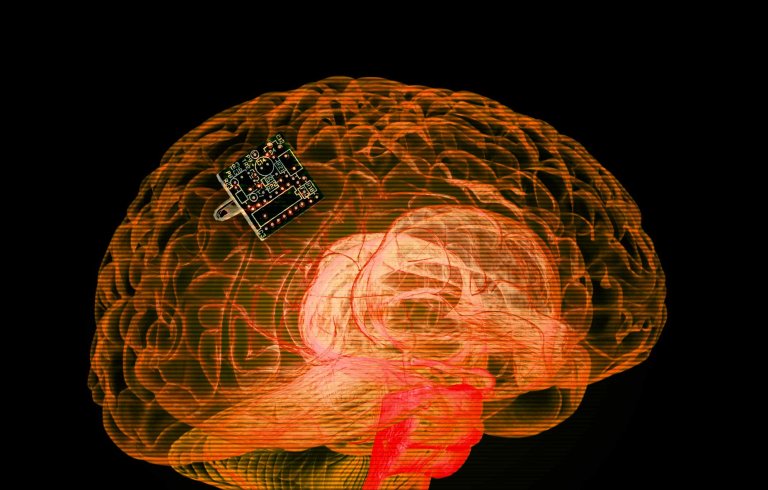
Merging the human brain with technology doesn't have to be invasive.
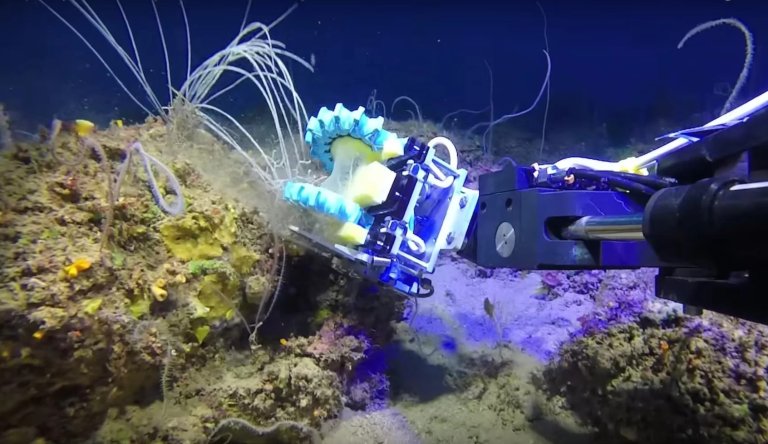
Soft robotics could allow robots in the future to grasp specimens from the seabed without harming marine ecosystems in the process.
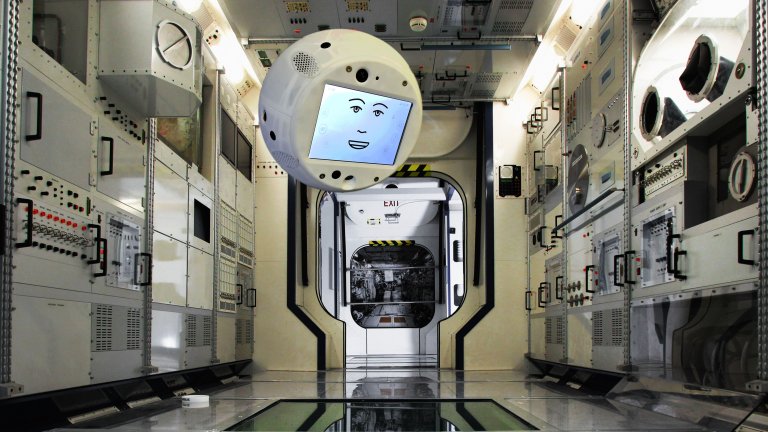
CIMON will help astronauts perform experiments, and offer insights into social dynamics.
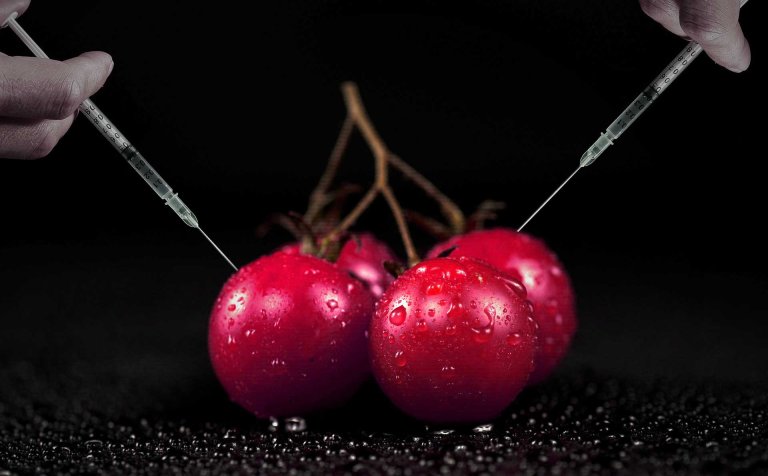
Researchers say it's all part of Russia's plan to expand its agricultural sector.
Climate change predictions are headed to the private sector.
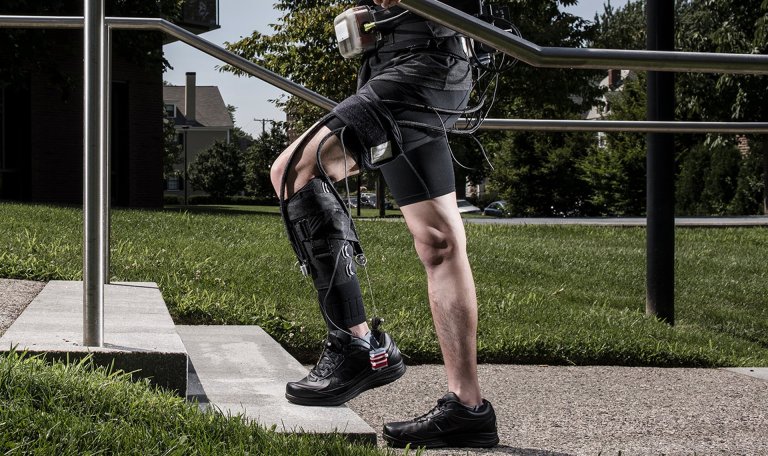
Researchers created a walk profile for each user’s unique walk.