We’re Going to Visit the Farthest Reaches of Our Solar System
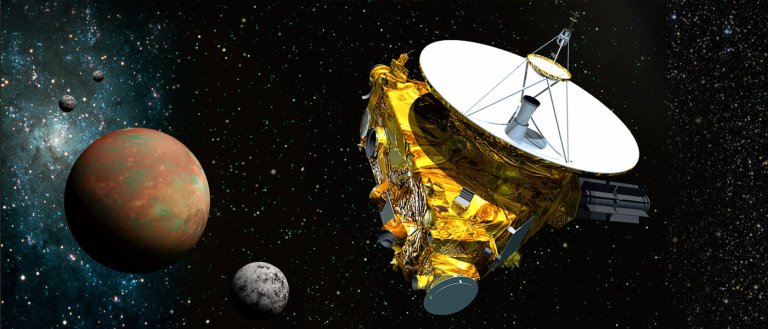
Thousands of objects exist in the Kuiper Belt, including possible planets. And we're on our way there.

Thousands of objects exist in the Kuiper Belt, including possible planets. And we're on our way there.
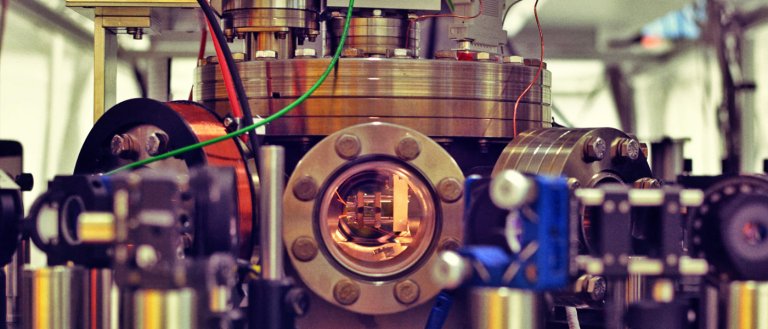
Heat engines are getting small. Like, just using a single atom small.
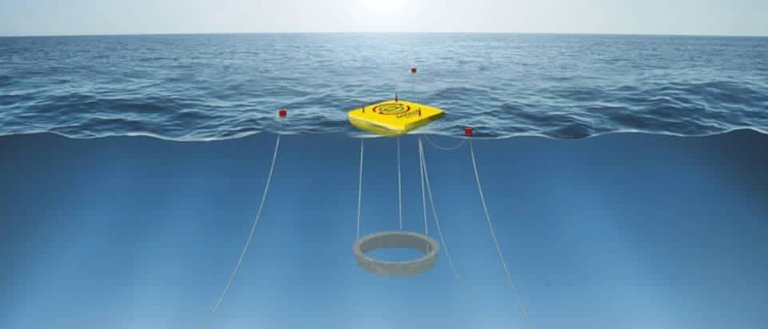
Triton can harvest wave energy from the oceans.
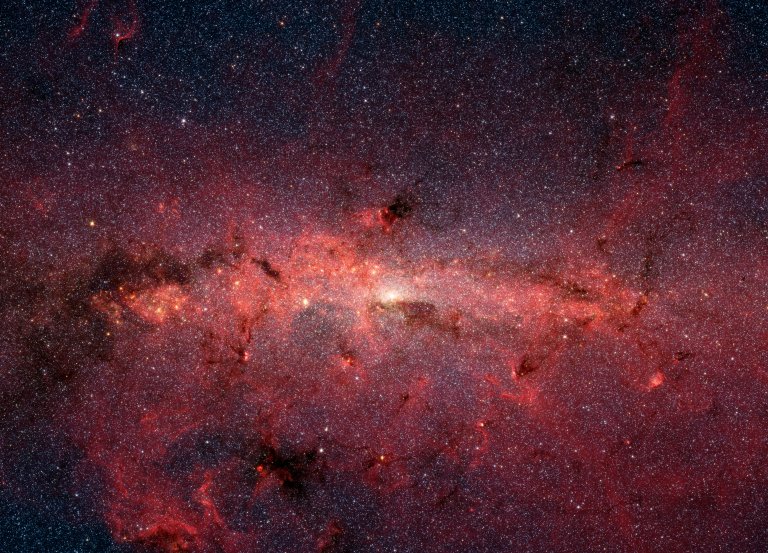
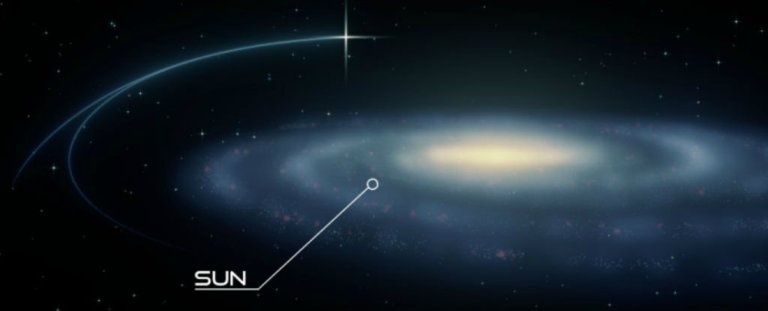
It's the fourth largest satellite orbiting the Milky Way. And we only just found it.
This remarkably life-like robot is like something straight out of Blade Runner. See her in action.
One organization is attacking poverty head on.
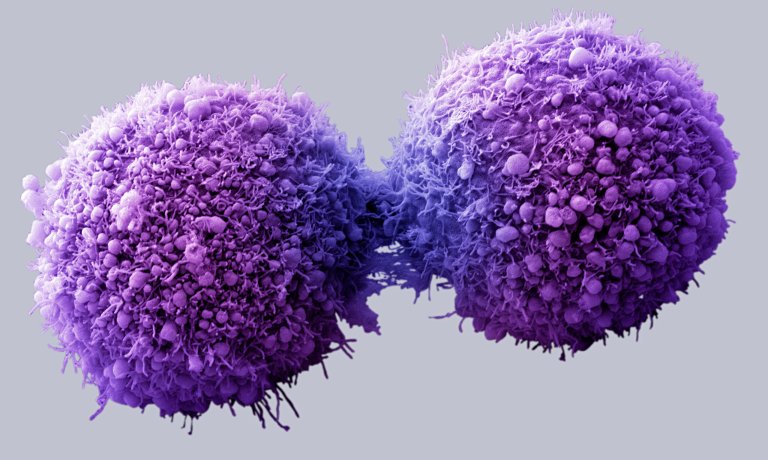
A new microscope employs AI deep learning to detect cancer cells better and more efficiently without using biological markers that harm blood samples.
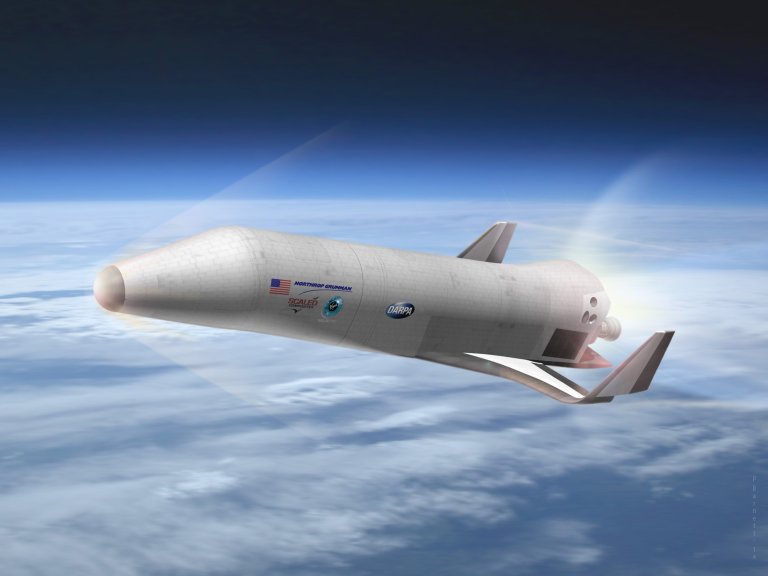
DARPA is going to Phase 2 in its XS-1 program, pushing forward the possibility of reusable spaceplanes.
Bots have finally made their way to Facebook.
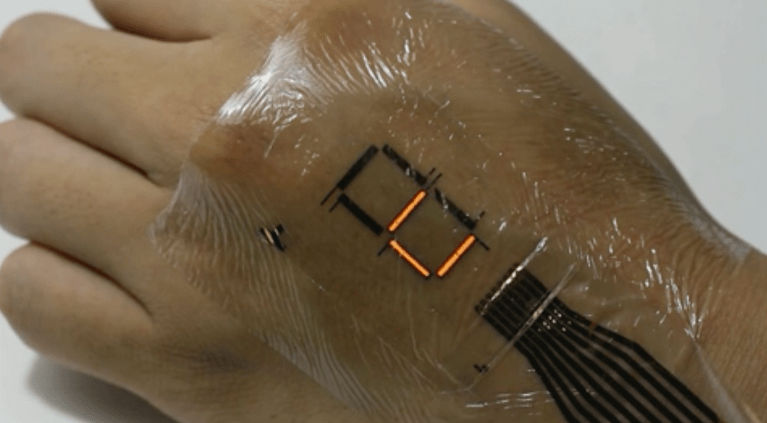
Meet the latest 'electronic skin.'
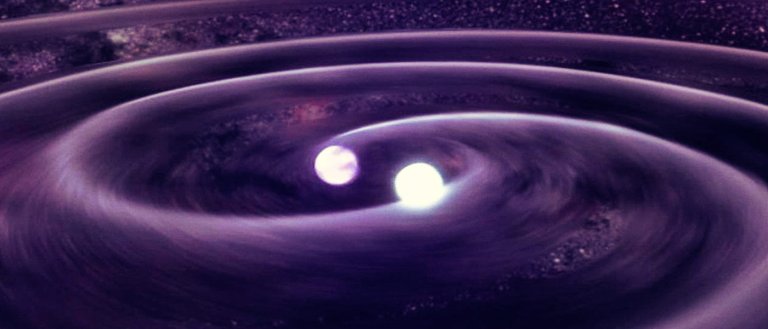
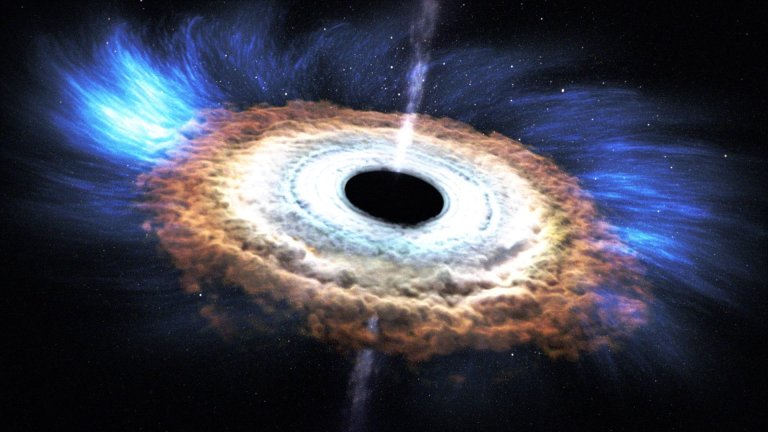
Gravitational wave astronomers may soon be able to pick out faint signals from the gravitational wave “noise.”
The team credits these results to interferometry, which occurs when multiple telescopes are linked together to get fine resolution of a distant object.
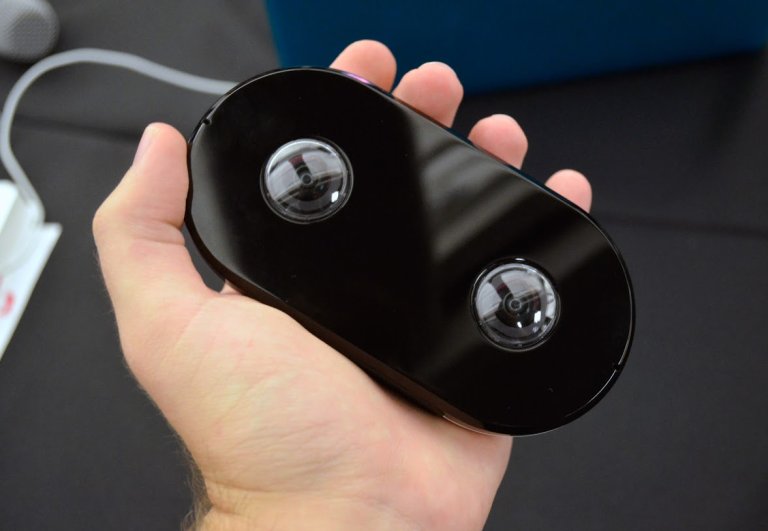
And they’re doubling down on the specs with 2K recording.
It can repel passing food and water.
This new material could one day produce better and more efficient computers.
There's a new method of treating chronic pain, and it won't require drug intervention.
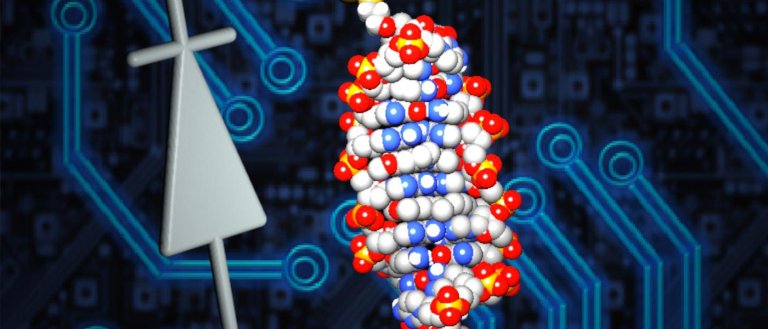
Researchers have made a diode from DNA, pushing the boundaries of computing power even farther.
The 17th century portrait master has some modern competition.
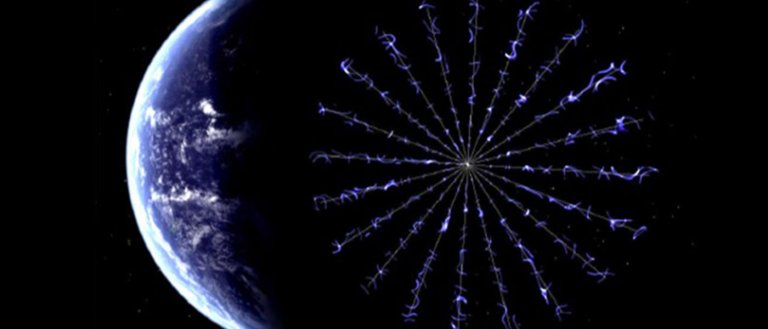
NASA hopes to get to the edge of the solar system using a sail that's 1200 sq/km (744 sq/mi) in size.
Scientists can't explain these speeds.