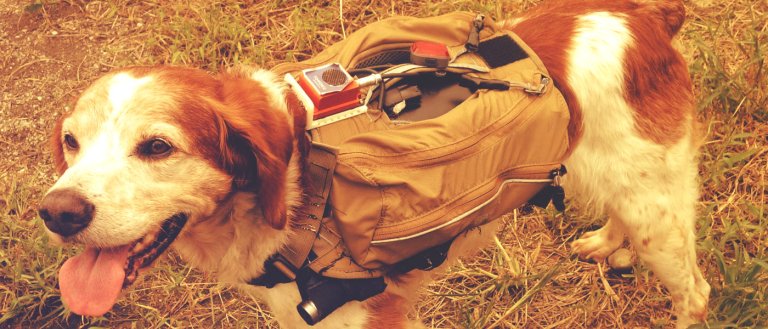
Robo-Dogs: Japanese Scientists Upgrade Their SAR Dogs
Get ready. Robo-dogs are coming to the rescue

Get ready. Robo-dogs are coming to the rescue
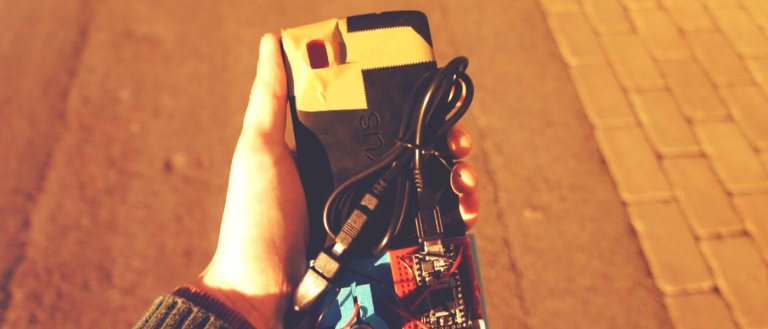
Off-the-shelf parts and a $10 laser are the key to making autonomous vehicles.
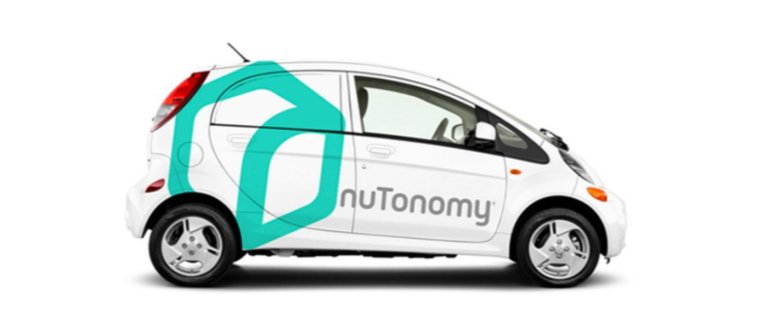
The taxi driver of tomorrow may be...no one.
Time to get out your sunglasses.
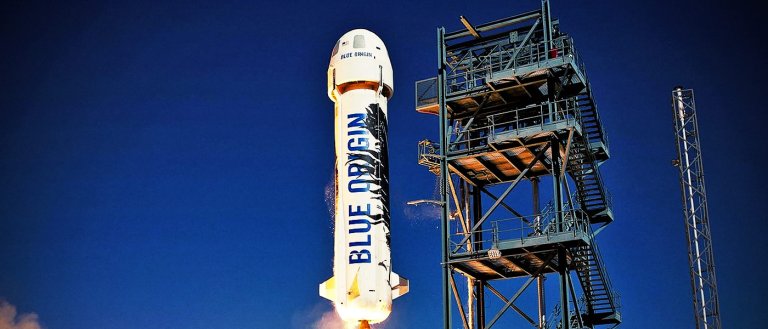
We have entered the era of reusable rockets.
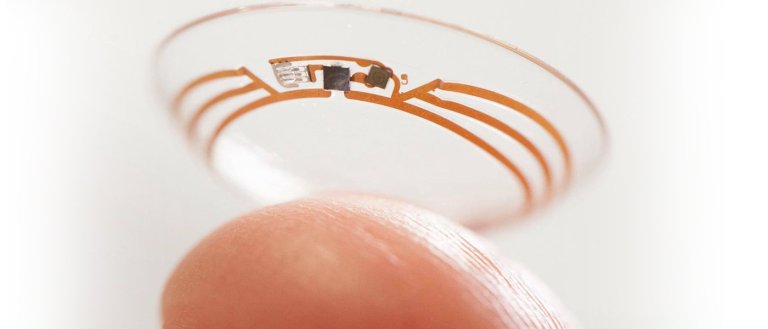
Meet the contact lenses that can project images straight into your eyes.
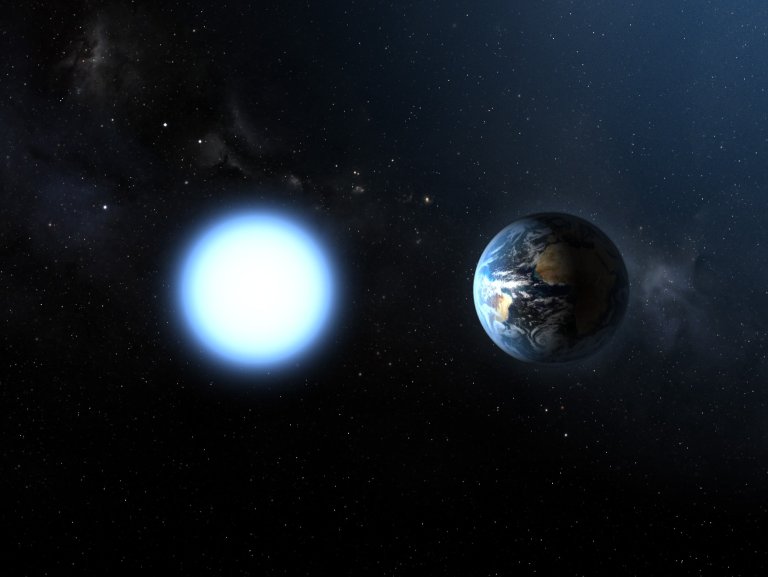
A white dwarf discovered by Brazilian astronomers has an atmosphere of almost pure oxygen.
It was found by culling through old data from the XMM-Newton X-ray telescope.
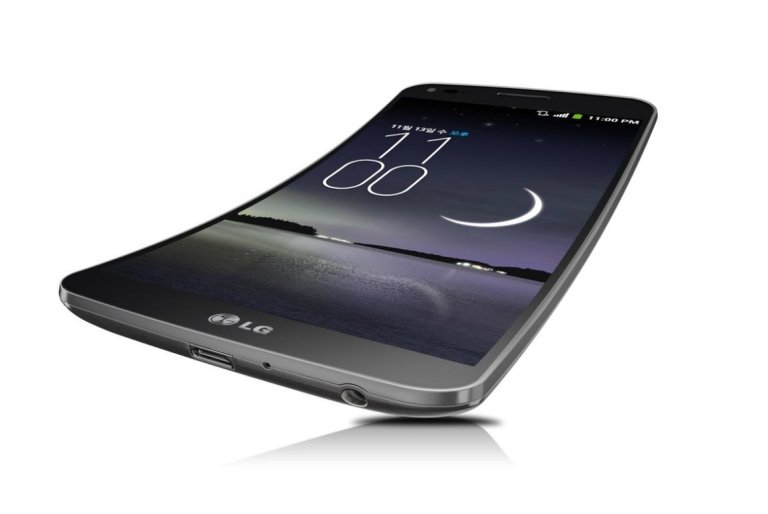
LG's new tech can take your phone from 0 to 50 percent charge in just 30 minutes.
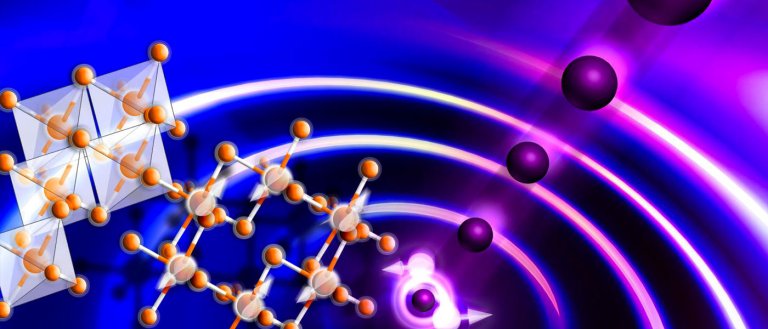
And this state causes electrons - thought to be indivisible building blocks of nature - to break into pieces.
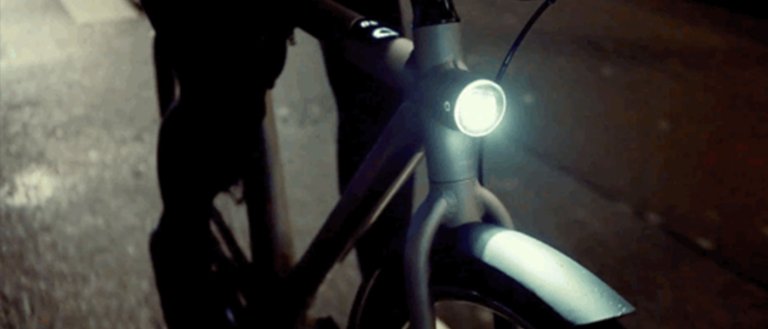
For $3,500 you can bike and connect to the Internet at the same time.
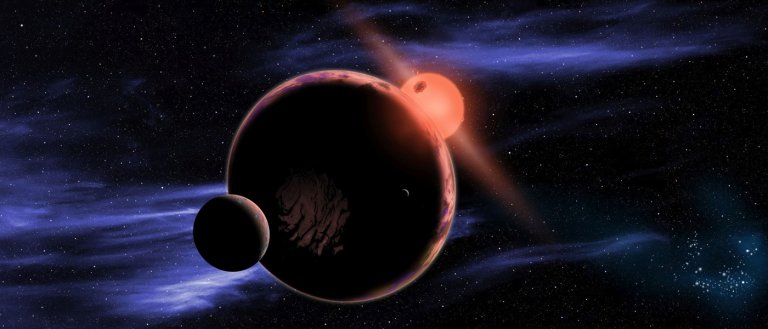
Red Dwarfs, stars previously thought incapable of harboring life, may actually be the home of ET.
If you've ever wanted to speed pick, check out this artificial intelligence.
With this discovery, we can produce biofuels (which usually take 24 hours to make) in as little as 10 minutes.
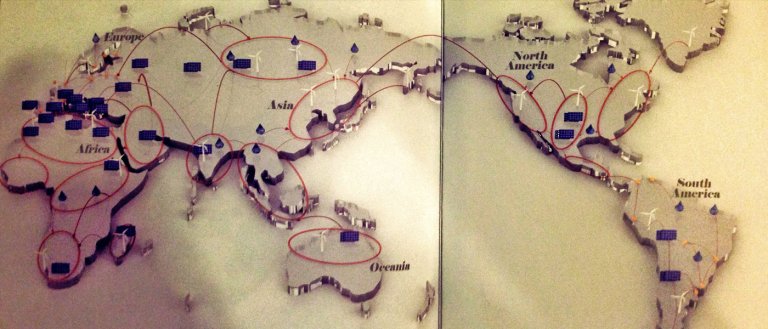
Energy from wind and sunlight - for the entire world.
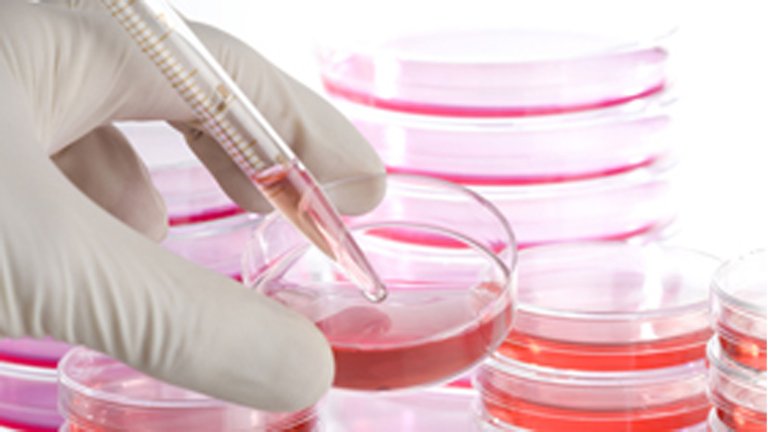
This 3D printing pen doesn't use ink, but stem cells to make cartilage.
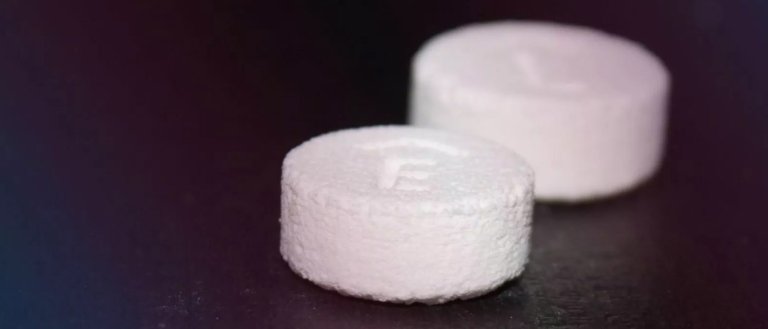
Meet the first consumer available, 3D printed, FDA approved drug.
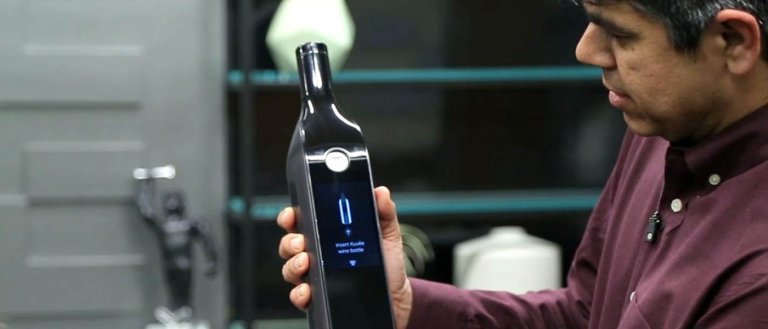
Impress your dinner guests with the 'smart wine' that has a built-in touchscreen.
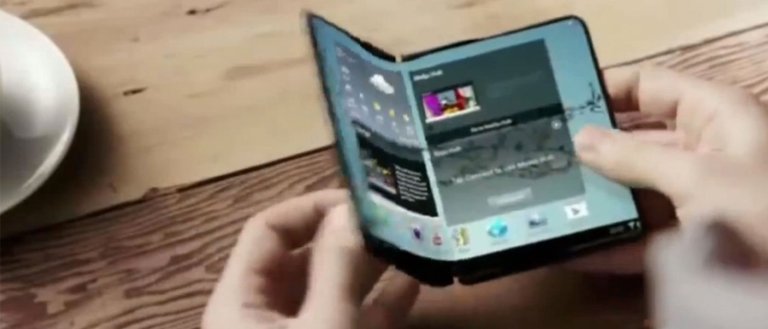
And it may be released as early as next year.
Now, humanity has a choice: Hide from aliens or boldly proclaim our existence.