

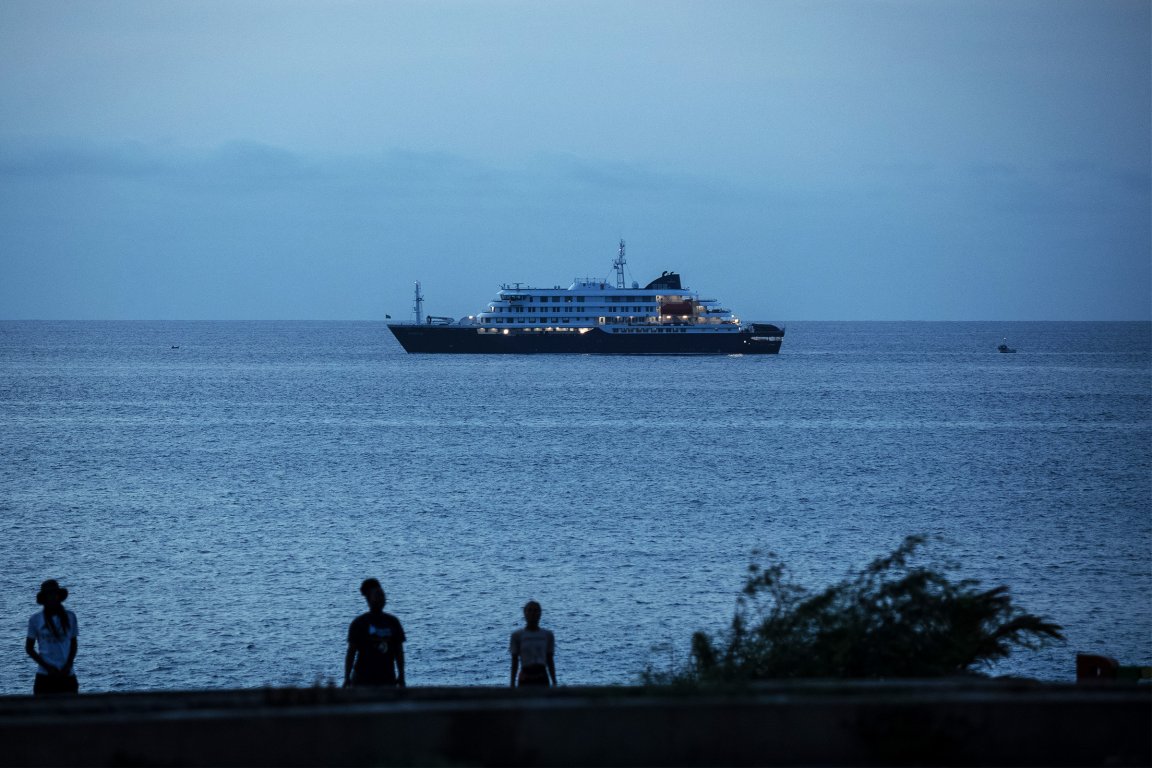
A deadly hantavirus outbreak tearing through a Dutch cruise ship has put health officials on alert, raising questions of virus preparedness as exposed travelers branch out all over the globe.
It’s also brought attention to an eyebrow-raising decision by the Trump administration made almost exactly a year ago. Targeted by sweeping cuts like other agencies as part of Elon Musk’s crusade to gut federal spending, the Centers for Disease Control and Prevention cleared out almost its entire Vessel Sanitation Program, a key group that ensures ships are properly sanitized to prevent them from becoming the type of plague frigate the world is now dealing with.
According to CBS News reporting back in April 2025, all full-time employees working on the VSP were fired, including the epidemiologist that led the CDC’s outbreak response on cruise ships.
Only a smaller group of twelve US Public Health Service officers stayed on board. And just a single epidemiologist, who was still in the early stages of their training, remained in the VSP team to investigate outbreaks at the time of reporting.
When People magazine reached out to the CDC about the layoffs in light of the cruise ship outbreak, a spokesperson insisted that the program was humming along.
“CDC’s Vessel Sanitation Program (VSP) remains fully staffed, including epidemiologists, and continues to carry out all core program activities for cruise ships under US jurisdiction,” the statement read.
The meaning of “fully staffed” here, though, is vague. Have the ranks been refilled back to their original size, or is it “fully staffed” under the new normal following the new cost-cutting regime?
In any case, it’s difficult to believe that it’s fully recovered from losing so much expertise. The CBS reporting notes it takes six months to train new cruise ship inspectors, a job that few are lining up for. One official describing the difficulties of recruiting for the positions said that inspectors have to follow a grueling travel schedule to inspect cruise ships and respond to outbreaks.
That the public health service officers who remained could pick up the slack was also dubious, given the amount of training required. On top of that, the program was already short-staffed to begin with, according to anonymous CDC officials who spoke to CBS.
The Dutch cruise ship, the MV Hondius, is not under US jurisdiction, so it wouldn’t have been inspected by the CDC program. Still, it’s an eerie reminder that health threats like these could end up on the US’ shore, making the questionable credentials of the country’s health officials all the more alarming.
With around 150 on board, three passengers have died on the ship since the hantavirus outbreak began, according to World Health Organization officials, with five others showing signs of being infected. The passengers were infected with an Andes strain of the virus, the only known strain that can spread from human to human.
As bad as the incident is, though, experts say it’s unlikely to spiral into a COVID-level disaster.
“This is not the start of an epidemic, this is not the start of a pandemic,” Maria Van Kerkhove, the WHO’s head of epidemic and pandemic preparedness, said Thursday.
More on pathogens: DOGE Made Drastic Cuts to a Global Vaccine Assistance Program. Now There’s a Deadly Measles Outbreak in Bangladesh