

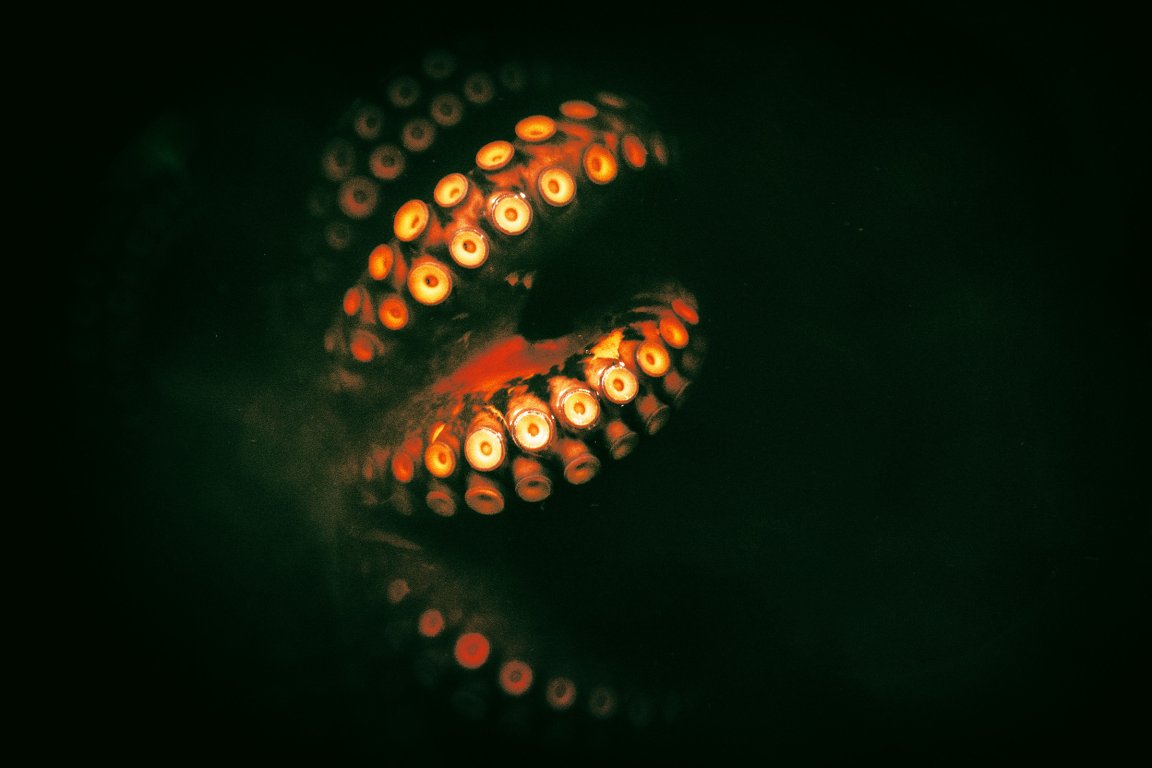
The case for a prohibition on octopus farming is simple enough: we probably shouldn’t raise animals capable of using tools — let alone ones which might possess consciousness — in tubs of their own waste to sell at a profit, for the purposes of eating.
Mexico’s Ecologist Green Party, which holds seven seats in the Senate and one state governorship, proposed a bill this week that would effectively ban factory farming of these fascinating creatures nationwide. If it goes forward, it would reform the country’s General Law of Sustainable Fisheries and Aquaculture and force the Western hemisphere’s only known octopus farm to cease operations.
That farm, located in Sisal, Yucatan, is run in partnership with the Universidad Autonoma de Mexico (UNAM), supposedly in order to study the physiology of the Mexican four-eyed octopus, which is native to local waters. According to an investigation by the Aquatic Life Institute, however, the UNAM lab also operates in tandem with a commercial branch, known as Moluscos del Mayab.
At Moluscos del Mayab, an average of 388 octopus are butchered and sold every four months, following an industrial breeding cycle. That number would likely be much higher, but the pre-sale mortality rate for the four-eyed octopus in this setting hovers around 52 percent. Horrifyingly, about a third of those deaths are attributable to cannibalism, which arises when the typically solitary invertebrates are reared in factory-farm conditions.
“Octopuses are physiologically and behaviorally too complex to be exploited in intensive settings, and the evidence from Mexico’s own Sisal farm speaks for itself,” Catalina López, director of the Aquatic Animal Alliance, told food industry publication Food Ingredients First. “Octopus farming is not a feasible industry.”
In considering the legislation, Mexico joins a fledgling movement across various world governments to ban the practice. Chile became the first Latin American country to propose a ban on octopus farming legislation back in October, joining Spain, which proposed a similar bill last June.
Even the United States is getting in on the animal rights action, with Democrat party senator Sheldon Whitehouse introducing a bill known as the “OCTOPUS Act” intending to prohibit commercial octopus aquaculture operations throughout the country. That bill, also introduced in June of 2025, has yet to make it out of committee.
The initiatives come on the heels of a 2025 survey which found broad public support for bans on octopus farming across the European Union and UK, suggesting that legislation across the world is dragging compared to the public’s appetite — or lackthereof — for the tentacled critters.
More on sea creatures: Experts Alarmed as Jellyfish Spawn in Freshwater Lakes