

The true scourge of American roadways isn’t pot holes, rush hour traffic, or grandmas ambling down the fast lane. It’s oversized pickup trucks and SUVs.
A new investigation by The New York Times found that the number of pedestrian deaths has surged by 75 percent since the explosion of these large vehicles around 2009, translating to thousands of more pedestrians being killed who otherwise would’ve lived if they were struck with a smaller car.
It’s a virtually unprecedented reversal in road safety. Before that inflection point, American roads had been steadily getting safer for decades, with improvements in vehicle designs and massive attention on issues like seatbelts and drunk driving paying off in a huge way.
Experts highlight two main issues. The bigger cars have bigger blind spots. And their hoods are higher off the ground, which combined with their incredible mass means that they’re also more lethal when accidents happen.
“We see a lot of devastating collisions even at lower speeds because the pedestrian gets punted forward,” Shawn Harrington, the founder of Forensic Rock, which conducted crash tests for the NYT investigation. “Before the driver knows what’s happened, the pedestrian’s head is under the wheel.”
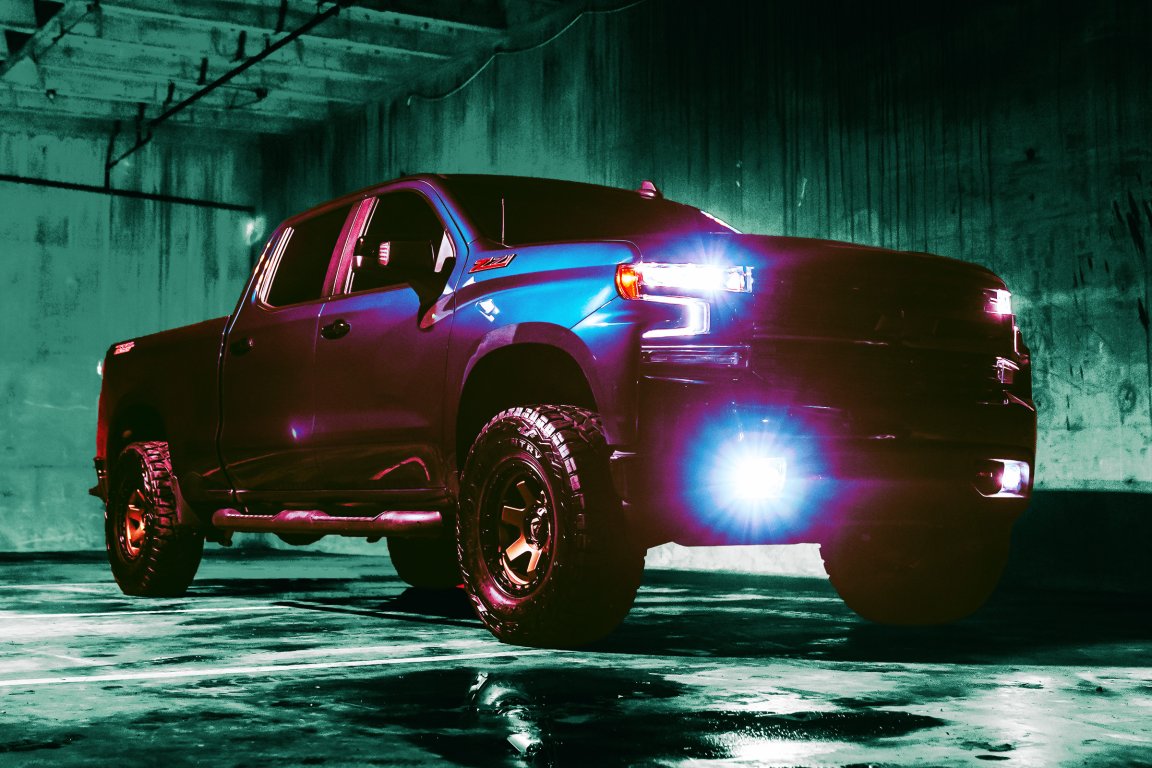
These factors aren’t independent of each other. Higher hoods create bigger front blindspots. The average hood height today is over three feet tall, and it’s even more extreme with some of the most popular pickups: a 2021 Chevy Silverado, for example, has a hood height of an astonishing 47 inches, well above the average person’s center of gravity. Some more expensive trucks, like the Ford F250, are 55 inches tall. Based on the NYT‘s analysis, a typical US man with an average height of five feet nine inches tall is likely to be mowed down by 39 percent of vehicles today.
The pillars near the windshield, called A-pillars, have also widened to prevent car roofs from caving in during rollover crashes, but this has had the unintended consequence of creating a larger blindspot that reduces a driver’s visibility on left turns.
The speed with which these huge vehicles have overtaken roads is stunning. In the early 2000s, more than half of passenger vehicles were traditional low-to-the-ground cars like sedans. By 2010, SUVs and trucks became the most popular vehicles in the US and dominated American roads. Entrenching the new paradigm, some American automakers like Ford stopped selling traditional four door sedans in the US outright.
The physics of being hit by a tall car are gruesome. With a standard sedan, which has a hood height of around two and a half feet, a pedestrian who gets struck straight-on gets flung onto the hood. While perilously acrobatic, hoods are designed to absorb impacts and cushion the pedestrian’s fall.
But when a pedestrian is struck by a modern pickup, which typically has a hood height around four feet, it collides into their center of gravity and flings them onto the asphalt. That’s enough to kill someone on its own if they smash their head, and if that doesn’t finish the job, they’ll be sucked under the pickup and run over.
The analysis found that the shift towards taller vehicles has caused about 3,000 deaths from 2016 to 2024. This, the NYT notes, is likely an underestimate, since the data didn’t include collisions in places like parking lots, where hundreds of pedestrians are estimated to be killed each year. In all, about 200 to 400 fewer pedestrians would have died each year if vehicles hadn’t ballooned in size since the turn of the century. The chance of a pedestrian fatality increased by 2.8 percent for every one-inch increase in hood height.
The NYT investigation isn’t the first to call out the issue. The rise in pedestrian deaths coinciding with the veritable arms race in vehicle sizes is a trend that’s been increasingly observed in the past few years. Federal researchers at the Transportation Department’s Volpe Center, for example, warned that taller cars with their bigger blind zones were killing hundreds of pedestrians and cyclists every year back in 2022. But as the reporting notes, it still receives far less attention than other road safety issues like drunk driving. And those federal researchers say their warnings were ignored.
“There was just zero acknowledgement of the problem,” Angie Byrne, a former Volpe Center employee who was involved in the research, told the NYT.
More on cars: New York City Installing Sensors to Detect Pedestrians, Vehicles, and Pretty Much Everything Else