

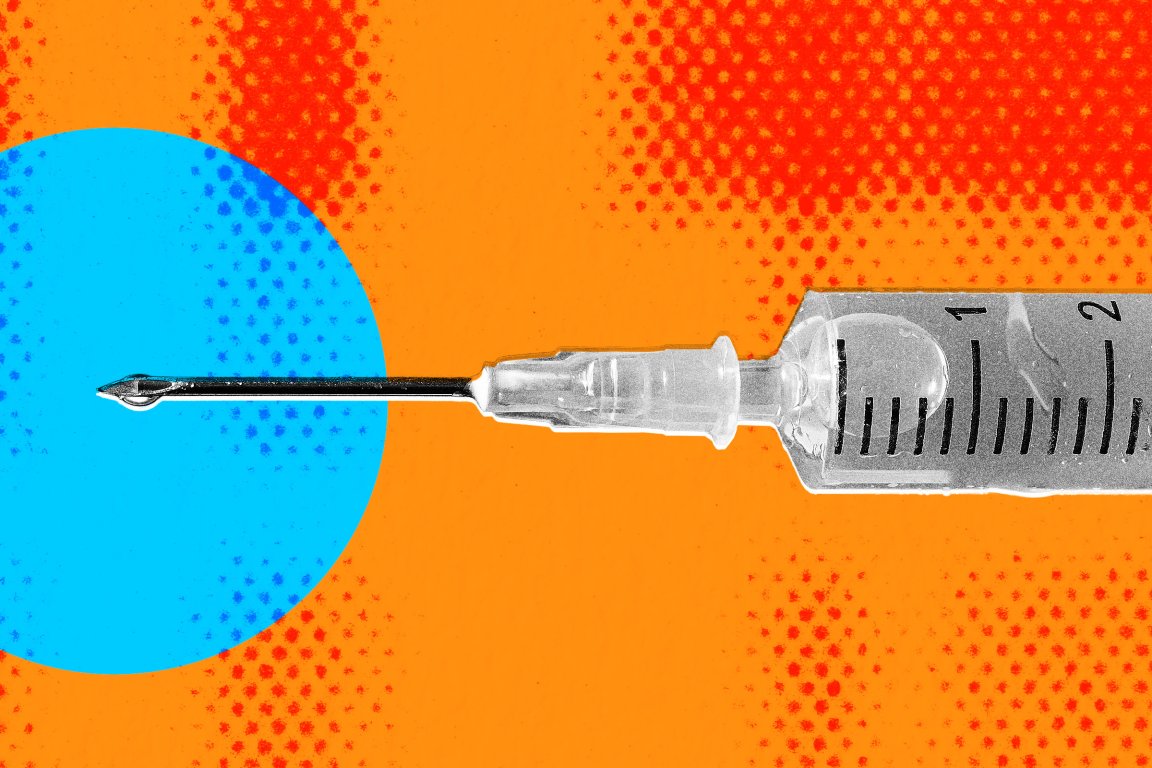
The extracted flesh of the dead being used to fulfill the youth-chasing vanities of the living? That’s the crux of alloClae, an injectable filler sold by Tiger Aesthetics that’s made from the sterilized fat tissue of corpses. Despite the product’s grim provenance, it’s become the hot new thing in cosmetics, since it can be quickly injected without anesthetic.
New York health regulators, however, aren’t very happy about its growing popularity. As Business Insider reports, the state’s health body is accusing Tiger of selling alloClae in the state without a license, likening these actions to some sort of grand conspiracy.
Tiger and its affiliates, regulators allege, engaged in a “year-long scheme to smuggle alloClae (derived from human adipose tissue), into New York State,” a state lawyer said in a court filing last month, per BI.
These claims were leveled in a lawsuit filed by Tiger, which has a different view of the situation: it accuses the health department of dawdling on giving it a distribution license, saying the state doesn’t even have the authority to regulate alloClae in the first place, since state law doesn’t require licenses for sterilized products like it. Instead, it’s under the Food and Drug Administration’s remit, where the rules don’t require premarket approval, Tiger argues, per BI.
So far, the judge on the case hasn’t indicated they’re partial to either side. In late May, the judge ruled that New York health regulators shouldn’t prevent the distribution of another Tiger product similar to alloClae that was the focus of a different suit, but refused Tiger’s request to halt the ongoing alloClae crackdown, according to the reporting.
Hermes Fernandez, a lawyer who represents healthcare industry clients, told BI that the case could go either way. That other states haven’t clashed with alloClae could work in Tiger’s favor. But if Tiger voluntarily submitted to a permitting process before deciding not to wait on getting a license and sell their product anyway, that could work against it.
“Regulators tend not to like that,” Fernandez told BI.
With the lawsuit raging on, the drug’s legal status hangs in the balance. Erring on the side of caution, Tiger told customers in a letter last week that it’s “decided temporarily to pause” distribution in the state. But according to BI’s reporting, many plastic surgery clinics still advertise alloClae.
Others are fence-sitting, such as one major clinic that calls the product “revolutionary” on its website, under an announcement saying, “alloClae is currently not approved by the New York State Department of Health.”
More on cosmetics: People Are Getting Plastic Surgery to Look More AI-Generated