

Gene therapy — attempting to help a patient by modifying a gene expression in their body, basically — has shown immense promise for treating a growing range of severe illnesses and disabilities, from Huntington’s Disease to congenital deafness.
But using a gene-hacked virus to tinker with the genetic code of a living human, which has only started in earnest over the past decade or so, is certain to be risky. Now, the first instance of how the practice can backfire is coming to light.
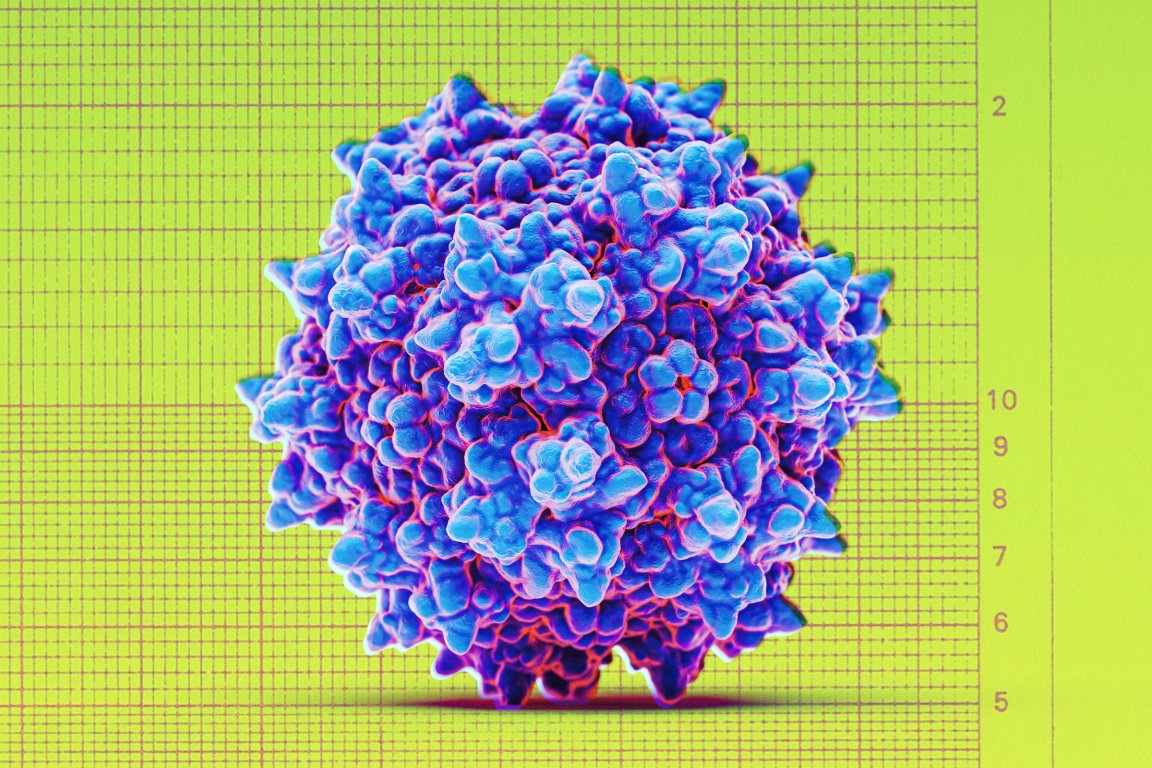
In a new study published in The New England Journal of Medicine, researchers concluded that a young Hurler syndrome patient who received an adeno-associated virus (AAV) — used to deliver a therapeutic gene to the patient’s DNA — later developed a tumor due to the therapy.
The patient’s illness, Hurler syndrome, stemmed from a mutation that thwarted an enzyme in his body, impacting brain development. A bone marrow transplant was unable to resolve the issue, which ultimately led to the gene therapy. After receiving the treatment, the boy’s brain began to develop appropriately for his age, but by age five, doctors spotted a walnut-sized tumor in his brain. The AAV, researchers came to believe, spurred the development of the tumor after it mutated an unintended gene.
Luckily, the story has a happy ending. The tumor was successfully removed, and the development of the patient’s cognitive abilities remains on track.
But it’s hard not to worry about this newly discovered risk. Researchers involved with the case believe that this outcome is a rarity, Science noted, but it’ll surely weigh on other patients — and their loved ones — who undertake similar treatments in the future.
More on gene hacking: Scientists Are Using AI for Improved Gene Hacking