

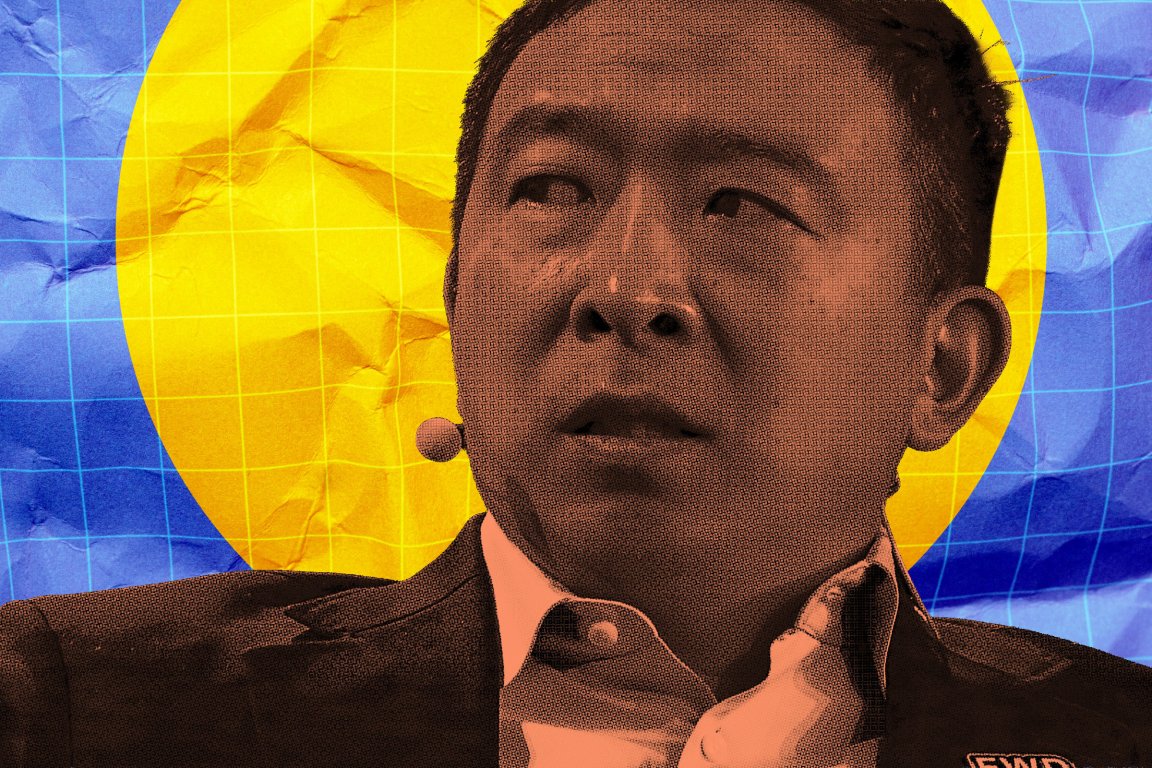
Andrew Yang — millionaire entrepreneur, noted Ivy leaguer, and one-time presidential hopeful — has a grim warning for his fellow salaried professionals: AI is about to wipe “millions” of office jobs over the coming months.
In an essay published on his Substack and flagged by Business Insider, Yang explained what he calls the “great disemboweling of white-collar jobs” due to AI.
“Do you sit at a desk and look at a computer much of the day?” he challenged. “Take this very seriously.”
“This automation wave will kick millions of white-collar workers to the curb in the next 12-18 months,” Yang wrote. “As one company starts to streamline, all of their competitors will follow suit. It will become a competition because the stock market will reward you if you cut headcount and punish you if you don’t. As one investor put it, ‘sell anything that consists of people sitting at a desk looking at a computer.'”
Yang predicts that mid-career office professionals will be among the first to go. Right now, there are around 70 million office workers in the United States, but “expect that number to be reduced substantially, by 20-50 percent in the next several years,” the entrepreneur warned.
Yang went so far as to urge anyone in mid-career management, particularly those who own homes in the affluent burbs of Silicon Valley or Westchester County, New York to put there house up for sale now, to avoid the mad scramble once the labor apocalypse hits. “It might not feel great being first, but you don’t want to be last,” Yang wrote.
Going on, Yang predicted that personal bankruptcies will “surge” as office workers struggle to find gainful employment to maintain their lifestyles. This, he says, will also come for service workers down-wind of office labor — those employed as drycleaners, hair stylists, and dog walkers.
The “great disemboweling” will likewise impact recent college grads — a section which is already suffering through a brutal hiring market in the US — according to Yang.
All of this will result in even greater unrest and angst as the wealth generated by the AI spending boom will largely go to the few CEOs and executives at the top of the food chain. “Imagine what people are going to think when we all feel like serfs to AI overlords that have soaked up the white-collar work?” Yang posits.
At the end of the day, Yang’s pronouncement reads like a lot of the other AI doomsaying out there, much of which comes, ironically, from the tech moguls themselves. Like those prophecies, Yang’s ends when it comes time to supply a constructive answer to the world-upending crisis beyond some vague idea of universal basic income.
“Expect it to get incredibly, intergenerationally rough out there,” Yang concluded. “Batten down the hatches, and do what you can for yourself and those around you.”