
It’s hard to even imagine now, but immediately after it launched in 2004, there was nothing on the internet cooler than Facebook.
It was initially available only to Harvard students, then gradually expanded to students at other elite colleges, giving it an aura of exclusivity that founder Mark Zuckerberg clearly coveted. By the time it opened up to public accounts in 2006, the hype was palpable, paving the way to an explosive initial public offering in 2012.
Since those salad days, its trajectory has never been quite the same. Sure, it’s maintained market share with a series of cynical acquisitions of would-be competitors like Instagram and WhatsApp, but Facebook’s feeds have been inexorably taken over by industrial-scale engagement bait and sleazy ads as users failed to stick around.
By 2026, after a failed pivot to the Metaverse — oh yeah, it changed its name to Meta back in 2021 — scrolling Facebook feels like an infinite timeline of AI slop, ads, and lazy misinformation, none of which the company seems to have an iota of interest in cleaning up.
Add it all up, and you start to wonder whether the behemoth venture has entered the long decline that eventually killed other former stars of the web like Yahoo and AOL. That’s the case that acclaimed investigative journalist Julia Angwin made today in the New York Times:
Meta’s earnings are starting to show the strain from years of growing consumer disaffection and reckless spending. The latest earnings, released on April 29, revealed a dip in user numbers for the first time since it started reporting these figures. And the slumping stock confirms what we have all known in our guts for a while: This is a company entering its zombie era.
Death is different on the internet. Lifeless companies like AOL and Yahoo are still technically with us. You can visit their websites. They have customers. They may even be profitable, as they cut staff and monetize their last remnants of traffic. But they are, as the kids say, peak cringe. Many teens wouldn’t be caught dead with an AOL account, a Yahoo email address — or a Facebook profile.
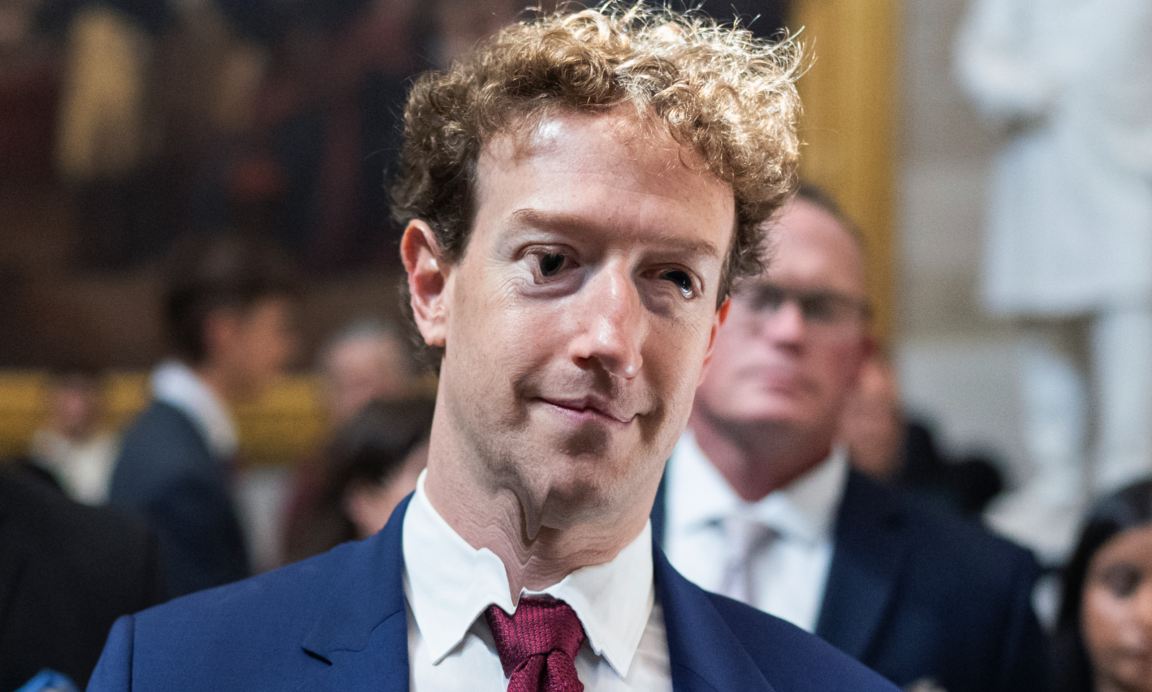
If she’s right, it’s hard to imagine that this death spiral will cause any human on Earth quite as much suffering as Zuckerberg, who got a little taste of true cultural clout during those golden years after he dropped out of Harvard and, for the one stretch in his life, was the head of something genuinely cool.
He’s trying, of course. Ever since his pivot to VR failed, he’s been practically setting money on fire to try to establish dominance in the red-hot AI space — but so far his efforts have lagged far behind the competition and the only real tangible effects are that Facebook’s feeds are more clogged with garbage than ever before.
He’s probably got some surprises left in him yet. If there’s one thing Meta’s taught us, it’s that a formerly beloved site can always get worse.
More on Meta: Meta Had the Worst Possible Response When Its Workers Were Watching Naked Footage of Its Ray-Ban AI Glasses Users