

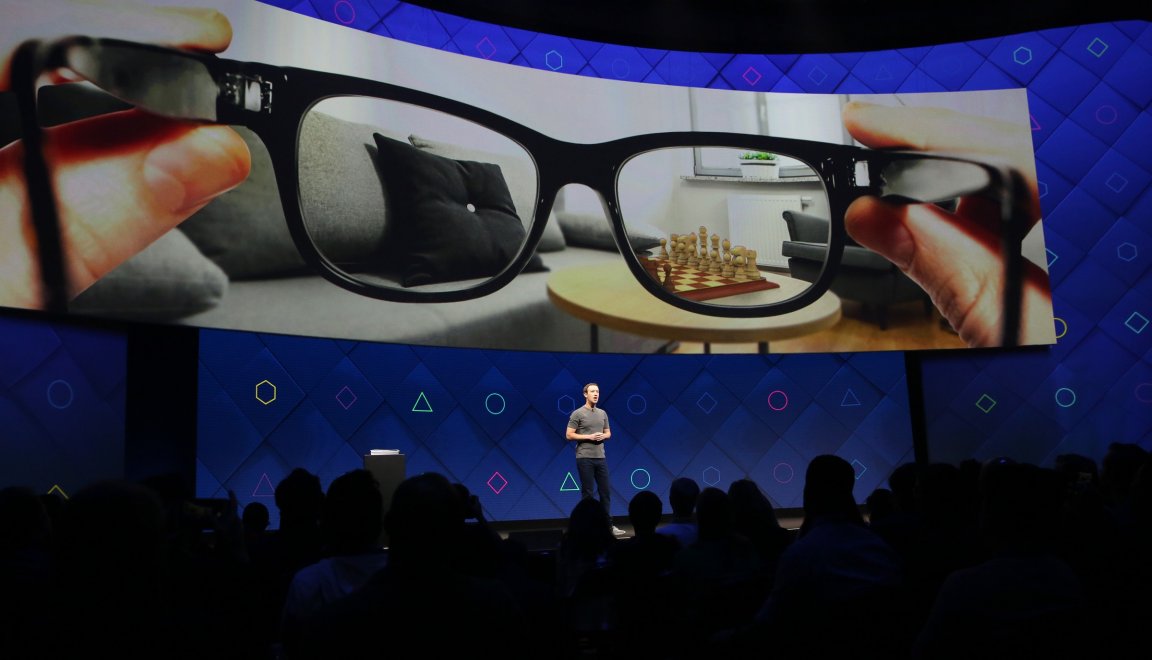
When Meta announced it would strip its failed VR goggles division for parts, the bet was simple: funnel that money into sleek, AI-powered smart glasses instead. Emboldened by the product’s early success, the company is now working on rolling out a massive facial recognition feature across its entire smart glasses platform — a launch which involves timing the announcement with political drama to minimize scrutiny.
According to new reporting by the New York Times, Meta could make the facial recognition features available to smart glasses owners as early as this year. Internally, the software goes by the designation “Name Tag.” Per the NYT‘s sources, it would let anyone who owns Meta’s smart glasses to identify people in the real world, instantly pulling up their information through Meta’s AI assistant.
Since early 2025, NYT notes, Meta insiders have been hemming and hawing over how to roll out the feature, acknowledging significant “safety and privacy risks” associated with the feature.
Disturbingly, documents viewed by the paper reportedly show the company planning to wash its product launch through the disabled community. That never came to pass, though it evidently would have involved introducing Name Tag as an accessibility feature at a conference for blind users before unleashing it on the public.
The same documents likewise argued that domestic political turmoil across the US in May of 2025 — this was in the early days of Trump’s deportation campaign, Elon Musk’s DOGE agenda, and more — would made an appealing time window for the release of such a controversial feature because the public would be too burned out to notice or care.
“We will launch during a dynamic political environment where many civil society groups that we would expect to attack us would have their resources focused on other concerns,” the memo read, per the NYT.
In a statement, Meta told the paper they’re “building products that help millions of people connect and enrich their lives. While we frequently hear about the interest in this type of feature — and some products already exist in the market — we’re still thinking through options and will take a thoughtful approach if and before we roll anything out.”
If they do, the privacy nightmare Meta’s smart glasses already represent will only get worse. As American Civil Liberties Union deputy director Nathan Freed Wessler told the NYT: “Face recognition technology on the streets of America poses a uniquely dire threat to the practical anonymity we all rely on. This technology is ripe for abuse.”
More on Meta: Court Filing Reveals Something Very Nasty About Mark Zuckerberg