

Looking at the state of labor in the US, it can be hard to believe that 35 percent of all workers once belonged to a union. That was back in the 1940s, the peak of American organized labor. Since then, unions have been systematically neutered by corporate lobbying, hostile legislation, and half-century of manufactured consent about the virtues of the free market.
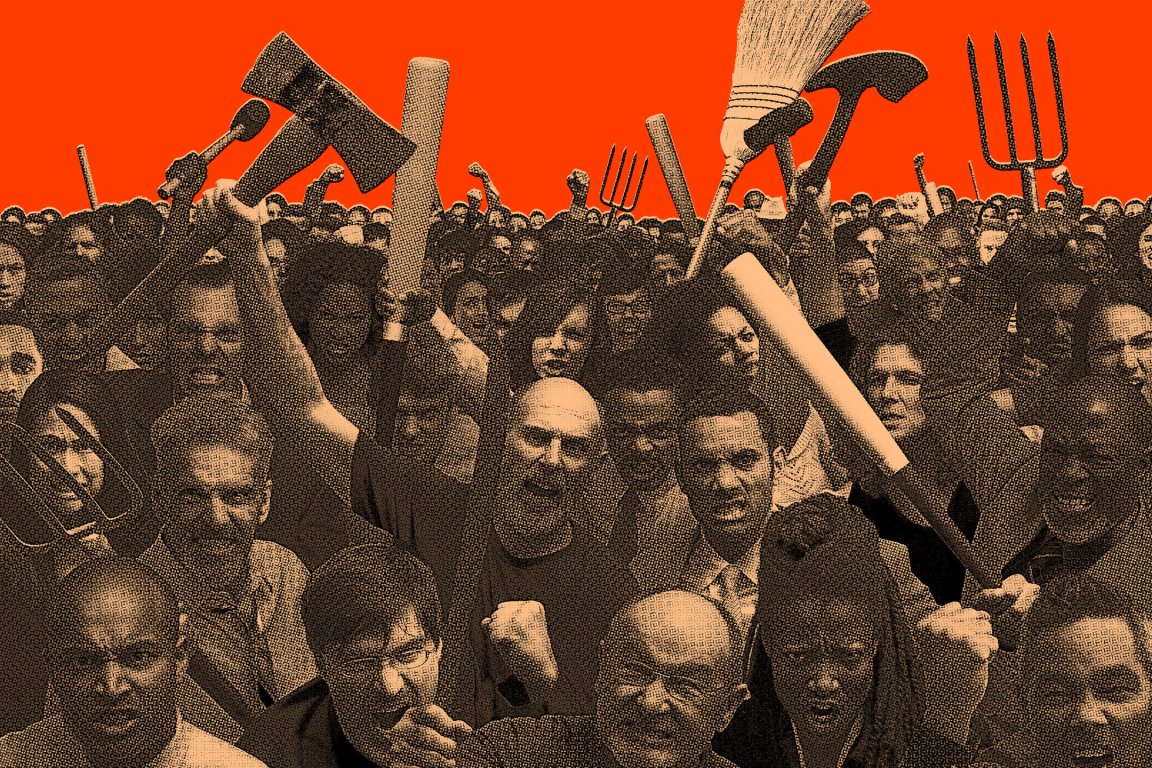
It might be hard to imagine it regaining that former glory, but according to some labor experts, the threat of AI might be what finally forces the issue — as a potentially existential threat to workers’ livelihoods that could unite them against a common enemy.
In an interview with the Guardian, Sarita Gupta, the Ford Foundation’s vice-president of US programs and co-author of The Future We Need, argued that AI is “creating an opportunity” for a resurgent labor movement.
“Over time, unions have lost collective bargaining power, and a lot of that is due to the lack of laws that we need and enforcement of laws,” she said. “For four decades, productivity soared while wages stayed flat, and unionization hit historic lows.”
But, Gupta continued, “when you have a young Silicon Valley software engineer realize that their performance is tracked or undermined by the same logic as a working-class warehouse picker, class divisions dissolve, and larger working-class movements for dignity are possible. That is what we’re starting to see.”
It’s worth noting that the Ford Foundation has a documented history of providing funding and cover for State Department infiltration of labor and progressive movements during the Cold War. That said, Gupta’s point could be prophetic — the conditions for broad-spectrum unrest among workers do seem more ripe than they’ve been in years.
White-collar office drones and blue collar stiffs alike are both suffering through one of the harshest layoff periods since 2009. Recent polling, meanwhile, found that 71 percent of Americans fear AI will put “too many people out of work permanently.” And according to the Economic Policy Institute, more than more than 50 million American workers across all industries wanted union representation in 2025, but couldn’t get it.
As discontent rises, business moguls are sounding increasingly nervous about the blowback. After more than 50,000 Minnesotans walked off the job in a union-led protest against murder of Renee Good and Alex Pretti by federal agents, more than 60 local executives penned a letter calling for an “immediate deescalation of tensions” — citing “widespread disruption” and asking, in the delicately worded missive, to be allowed to “resume our work to build a bright and prosperous future.”
For anything to come of that fear relies entirely on workers turning discontent into organized power, as Gupta observes.
“We have to always remind ourselves that the direction of technology is a choice, right? We can use AI to build a surveillance economy that squeezes every drop of value out of a worker, or we can use it to build an era of shared prosperity,” Gupta concluded. “We know if technology were designed and deployed and governed by the people doing the work, AI wouldn’t be such a threat.”