

A simple medical issue as mundane as an infection is far more dangerous when orbiting the Earth hundreds of miles above the surface in a confined spacecraft.
Apollo 7 astronaut Wally Schirra famously came down with a nasty head cold a mere 15 hours into the mission in 1967, with ground control warning him he could shatter his eardrums while returning to Earth with bad congestion. Given the lack of gravity, even a runny nose can turn into an extremely unpleasant experience, forcing astronauts to resort to unusual measures just to drain mucus from their nasal passages.
In short, there are compelling reasons to be extremely cautious about any possibility of illness when it comes to space travel, particularly given the lack of comprehensive medical equipment or specialized health professionals in orbit.
That’s why it’s striking that on Thursday, NASA announced that it was forced to postpone a January 8 spacewalk, citing a “medical concern.”
According to the carefully-worded update, the “matter involved a single crew member who is stable.”
The situation is still developing, and we have far more questions than answers. We don’t know if the astronaut has fallen ill or has suffered an injury. However, given NASA’s description, it sounds like it could be a fairly serious situation.
“Safely conducting our missions is our highest priority, and we are actively evaluating all options, including the possibility of an earlier end to Crew-11’s mission,” the statement reads, referring to a mission that saw a crew of four travel to the ISS in August on board a SpaceX Crew Dragon.
“These are the situations NASA and our partners train for and prepare to execute safely,” NASA wrote.
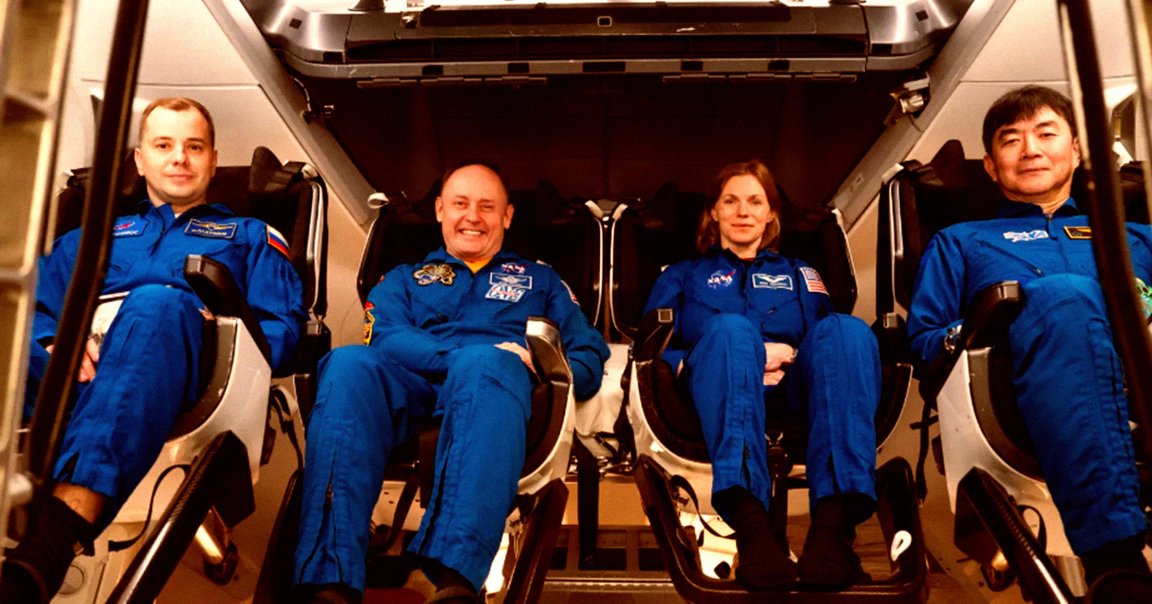
The Crew-11 crew, which includes NASA astronauts Mike Fincke and Zena Cardman, Japanese astronaut Kimiya Yui, and Russian cosmonaut Oleg Platonov, arrived at the station on August 2 and is, at the time of writing, scheduled to return to Earth next month, following the mid-February launch of the Crew-12 launch.
As CNN points out, NASA doesn’t usually speak openly about medical conditions affecting its astronauts. However, there has been plenty of research into the effects of microgravity on the human body.
Prolonged space travel has been shown to affect astronauts’ vision, bone density, and blood circulation. A 2020 study, for instance, points out that blood can clot in an astronaut’s jugular vein, but how much of a danger this poses to astronauts remains unclear.
An astronaut and Crew-8 mission crew member, who returned to Earth in October 2024, had to be hospitalized upon their return. The crew member stayed overnight for observation due to a “minor medical issue.”
“To protect the crew member’s medical privacy, specific details on the individual’s condition or identity will not be shared,” NASA wrote in an update at the time.
To this day, we still don’t know why the astronaut was hospitalized — suggesting we may get little clarity on the currently unfolding situation, either.
However, NASA has promised “further updates within the next 24 hours.”
More on astronaut health: When Astronauts Enter Space, a “Dark Genome” Activates in Their DNA