

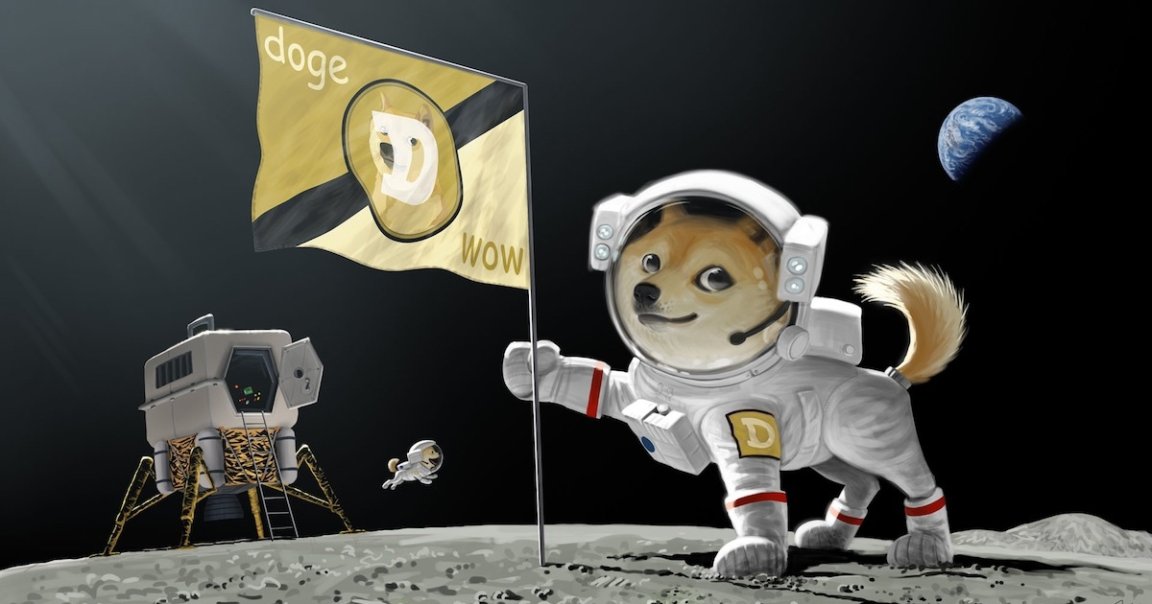
To the Moon
Dogecoin is officially going to the Moon — with the help of a SpaceX satellite called Doge-1, The New York Times reports, in a mission paid for entirely with the digital meme currency.
SpaceX CEO Elon Musk’s pet cryptocurrency may have started as a joke many years ago, but the token has come a long way. And that’s in large part due to Musk’s enthusiasm for it.
Musk made the reveal the morning after his Dogecoin-laden appearance on “Saturday Night Live,” tweeting a teaser about the mission.
“SpaceX launching satellite Doge-1 to the moon next year,” he said. “To the mooooonnn!!”
Crypto in Space
It’s a mission that’s not only “paid for in Doge,” according to the CEO, but also the “first” crypto and “meme” in space.
In other words, what started as a meme about a joke cryptocurrency is now becoming a reality — all thanks to an obsession of the richest man in the world.
Elon Coin
Musk’s appearance on the late night comedy show had such a big impact on crypto trading that it appeared to have broken the Robinhood trading app.
The value of Dogecoin dropped precipitously from an all time high of $0.74 as Musk hyped up his SNL appearance to just $0.52 when Musk appeared onscreen.
Musk did, however, make it clear last week in a tweet that Dogecoin is likely still a terrible investment.
“Cryptocurrency is promising, but please invest with caution,” the CEO wrote in a tweet last week.
READ MORE: Dogecoin had an eventful weekend, thanks to Elon Musk. [The New York Times]
More on Dogecoin: Dogecoin Price Fell the Instant Elon Musk Went on “SNL”