
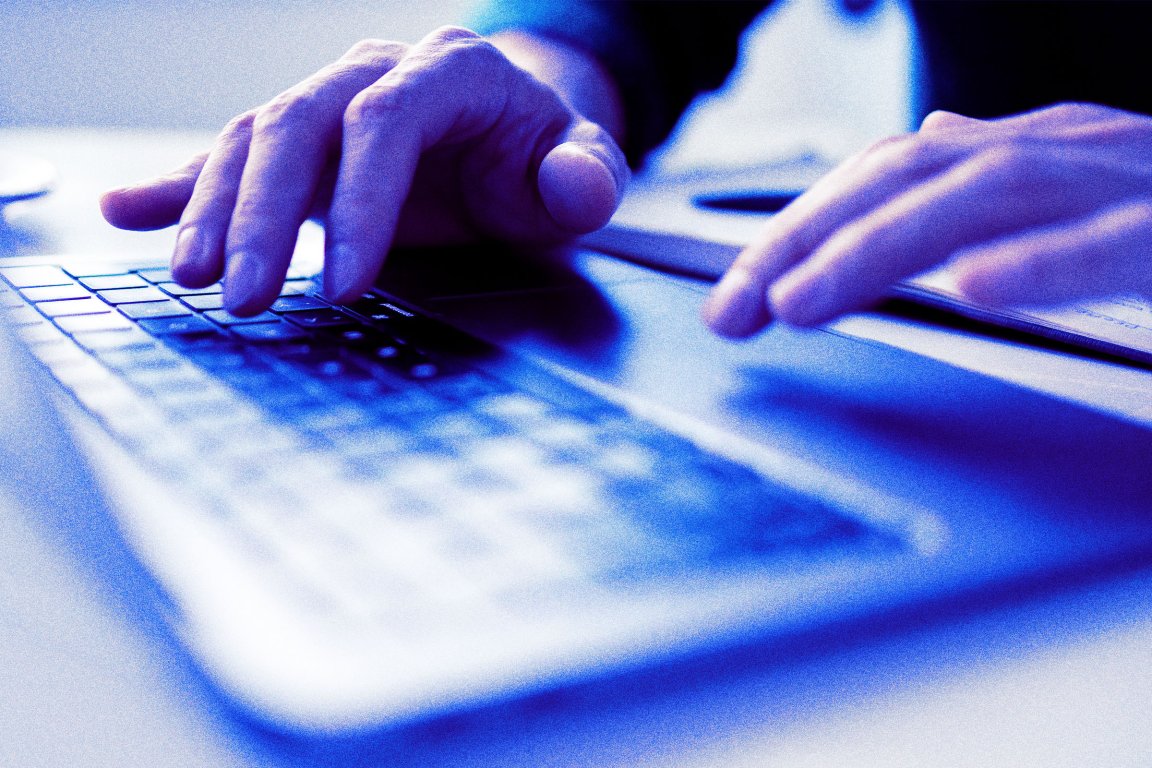
Typos used to be glaring eyesores. In the age of AI, they’ve become a sight for sore eyes.
In fact, Michael Waters argues in The Atlantic that small, forgivable typos are now serving as signs that something was actually written by a human, and hence is worth reading. In a world where everyone expects a ChatGPT’d response, typos have mutated into a mark of authenticity. A misspelled word or two is indicative of the human element.
“On a base level, many of us are willing to invest time in reading a long email if we sense that someone actually wrote it, line by line,” Waters wrote.
It’s a quirky face on a galling cultural phenomenon. As Angela Haupt unpacked in a piece in TIME earlier this year, there is no quick and easy way for people to determine the authenticity of what they’re reading anymore. If you can’t discern who you’re really talking to — human or AI — you’re less likely to feel confident and grounded in the discussion.
“There’s a real hunger right now for writing that feels unmistakably human, with all the quirks, oddly specific details, and little flashes of personality that AI can’t quite mimic,” psychologist Stephanie Steele-Wren told TIME. “Humans are naturally chaotic and idiosyncratic. AI is not.”
As fondly as we now regard typos, not everyone is craving the human element. In some instances, AI has replaced that in users’ lives, whether it be in the form of mental health support or an intimate partner. This suggests that, while there may be a demand for human connection, there’s still a niche for fabricated connections offered by AI. But at the very least, everyone is crying out for a choice in the matter.
More on AI and typos: AI Does Something Subtly Bizarre If You Make Typos While Talking to It