

If you’re a tech billionaire, the last thing you want right now is a bunch of local yokels vetoing the data centers you’re trying to build in their backyards. Data centers are vital for fueling the growth of AI, which is pretty much the only thing saving the US economy — and therefore your tens of billions of dollars of wealth — from a world of pain.
Sadly, this scenario is becoming all too common throughout the US and much the rest of the world, as grubby plebeians learn they can organize together to kick your data center ambitions to the curb.
But you’re smart and resourceful — you are a billionaire, after all — and if the unwashed masses won’t let you build on dry land, you might as well take them to the ocean.
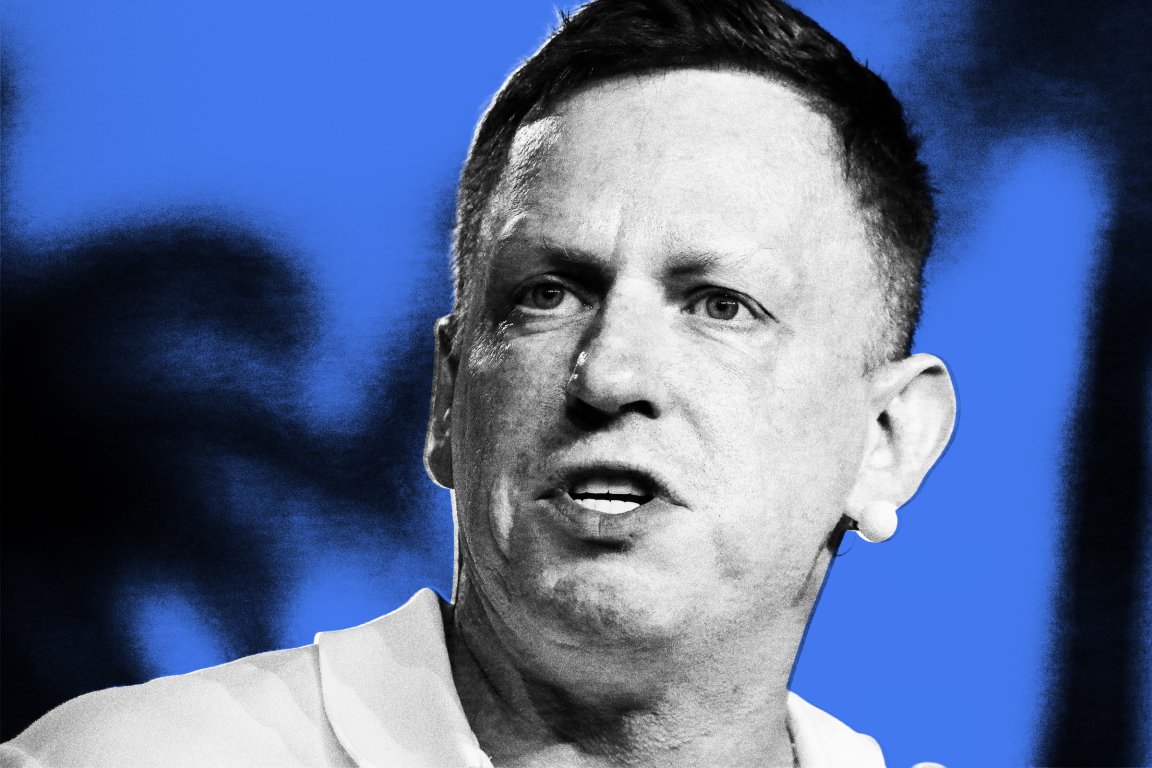
This is the scenario playing out in the mind of tech billionaire Peter Thiel. With more than half of the data centers planned to open in 2026 either severely delayed or cancelled, the former PayPal CEO has reportedly dumped $140 million into Panthalassa, a $1 billion US-based startup looking to build a fleet of floating data centers.
In his announcement of the deal, Thiel deployed some UFO-sounding language to promote the project.
“The future demands more compute than we can imagine,” he said. “Extra-terrestrial solutions are no longer science fiction. Panthalassa has opened the ocean frontier.”
According to Fortune, the company plans to deploy an experimental data center fleet in the northern Pacific Ocean sometime this year. By 2027, the company plans to launch its first commercially-viable installation, a bobbing data center powered by the ocean waves.
Whether it can work at scale is anybody’s guess. Microsoft previously shuttered an experimental seaborne datacenter in 2024. While promising, it was about the closest anybody in the US has come to realizing Theil’s Vernesque ambitions, though a similar research project in China is reportedly underway.
As University of Florida professor of electrical and computer engineering Md Jahidul Islam told Fortune that the “main advantages of having a data center underwater are the free cooling and the isolation from variable environments on land.”
While these factors could theoretically lead to less resource intensive data centers, they also present a host of new challenges out on the open sea, such as access for maintenance and vulnerability to acoustic phenomenon. As Islam put it: “these two advantages can also become liabilities.”
More on data centers: Electric Company Says It’s Cutting Off an Entire Town So It Can Sell All Its Power to Data Centers