

From the factories of Detroit to the postal warehouses in Shenzhen, a new kind of worker is clocking in — and the humans it’s replacing aren’t going down without a fight.
In late June, thousands of rank-and-file workers in the Korean Metal Workers’ Union voted to authorize a strike in response to Hyundai’s announcement it would deploy over 25,000 humanoid robots across its factories.
Weeks later, that strike is slowing production at a Hyundai factory down to a trickle. According to the Wall Street Journal, the workers began a partial strike after negotiations broke down last week. Starting on Monday, workers refused to work for four hours of each shift, leaving production lines stalled for half the work day.
Per the WSJ, the economic impacts of the strike are stark: the pullback could disrupt production of about 5,000 cars, and cut into Hyundai’s sales revenue by around $135 million. Should Hyundai choose to dig in their heels after the labor action, the union said it could escalate the strike, either by prolonging the length of the strike, upgrading it to a full strike, or both.
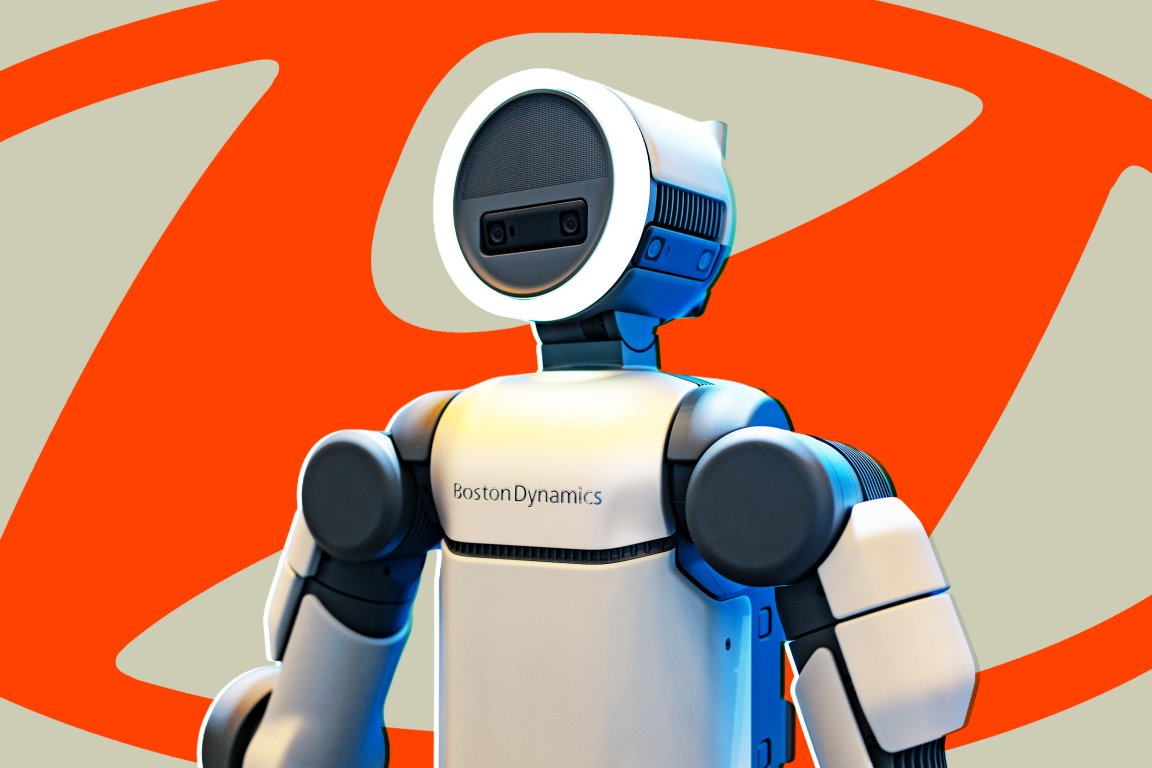
The mobilization appears to be the first of its kind over humanoid robotics, specifically, marking a pivotal moment in labor history. At issue is Hyundai’s threat to deploy thousands of “Atlas” model robots built by Boston Dynamics, bipedal humanoids that measure about 6’2″ in height and can lift a maximum of 110 pounds.
While the robots have yet to be deployed, union organizers explained that the strike is meant to give workers the power to renegotiate their contracts on their own terms, before the automation drive begins in earnest.
“We have to prepare to ensure there are safeguards in place,” secretary general of the KMWU and lead negotiator Byun Jun-hwan told the WSJ.
Specifically, the union’s demands include job security guarantees designed around AI and automation, larger bonuses that reflect Hyundai’s profit margin, a transition away from hourly wages to a fixed salary agreement, and a formal agreement allowing workers final say on any humanoid robotics deployment.
More on automation: AI Is Pushing Older Employees Straight Out of the Workforce, New Report Finds