

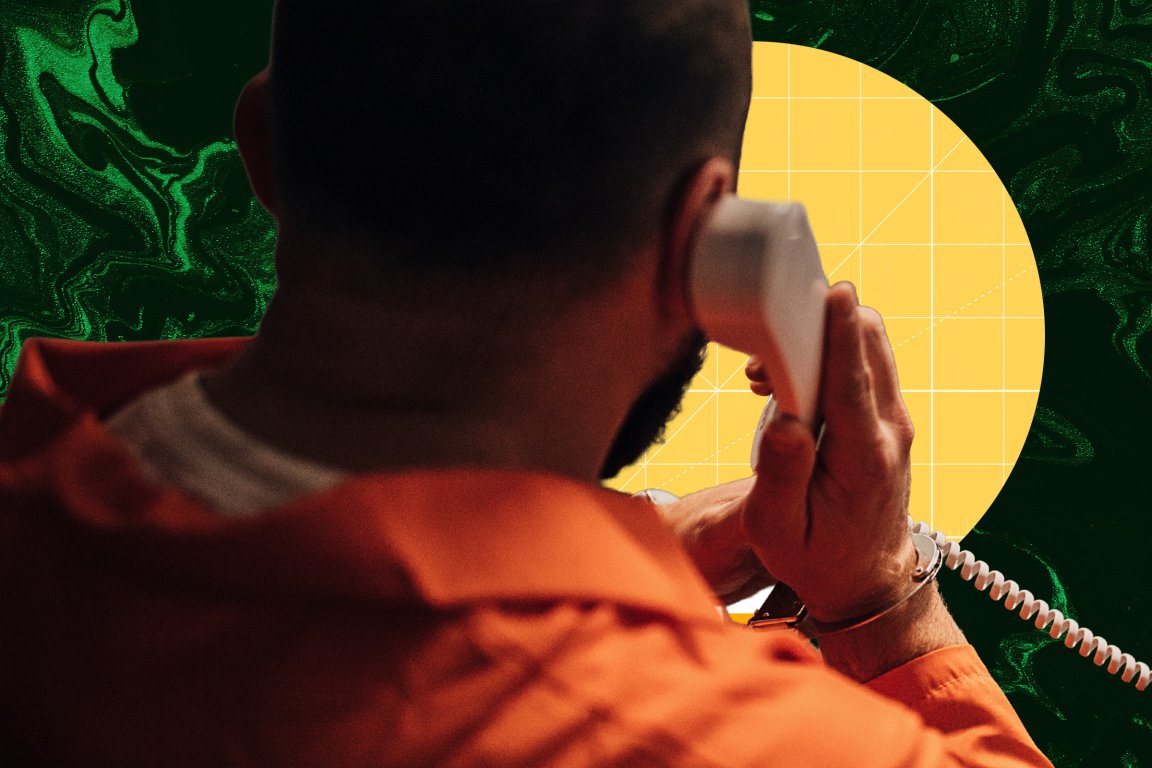
For years, a US telecommunications company has been building proprietary AI models using phone and video calls placed by inmates in US prisons as building blocks.
According to MIT Technology Review, the private equity-backed Securus Technologies has been developing its AI products since 2023, but it has troves of recorded conversations going back far longer. The exact sources of this data is unknown, but it reportedly includes facilities ranging from local jails to long-term prisons to Immigrations and Customs Enforcement detainment centers.
The AI models are designed to detect “criminal activity” in real time, Securus president Kevin Elder told Tech Review. One model, for example, was trained on seven years worth of calls by inmates in Texas state prisons for use in Texas, which suggests the company is tailoring its various AI models on local or at least state-wide conditions.
“We can point that large language model at an entire treasure trove [of data] to detect and understand when crimes are being thought about or contemplated, so that you’re catching it much earlier in the cycle,” Elder told the publication.
Those who talk on either side of an inmate phone call are notified that their conversation is being recorded, but as Bianca Tylek, executive director of inmate advocacy group Worth Rises puts it, that system is tantamount to “coercive consent.”
“There’s literally no other way you can communicate with your family,” she said.
John Dukes, who spent time in New York’s Sing Sing prison, recalled in an interview with The Intercept that Securus was testing voice recognition software on him as early as 2019.
“Here’s another part of myself that I had to give away again in this prison system,” he said at the time.
Now thanks to the developments of AI, the system is much more advanced, enabling voice recognition of both post- and pre-trial detainees, as well as their family, friends, and lawyers.
Per Tech Review, the end game is for Securus to supply prison officials with a versatile tool to either monitor specific inmates suspected of organizing crimes over the phone, or to conduct random inspections of the general population.
It all underscores a chilling reality: in the US, mass incarceration is a highly profitable business. Prison phone systems, for example, make up a formal industry called Inmate Calling Services (ICS). According to the Prison Journalism Project, the annual US market for ICS is $1.2 billion, and is largely dominated by two companies. One of the pair is Securus.
In a world where data is the new oil — and in a country where nearly 2 million people are incarcerated — it seems an inmate’s phone call home is no longer just an exorbitant charge on a family’s bill, but raw material for the AI designed to monitor the next one.
More on prisons: What Are the Ethics of Strapping VR Headsets on Inmates in Solitary Confinement?