

When it comes to hardware, Amazon’s strategy has historically been to throw spaghetti at the wall and pray it sticks.
There was the Amazon Fire Phone in 2014, a $170 million flop with a gimmicky 3D camera system. Then came the Amazon Tap, a clunky, Echo-style home assistant device that did away with voice-activation, instead requiring users to press a physical button. And of course, who could forget those silly Amazon Dash Buttons?
They all build context for Amazon’s latest gadget: an always-on wearable microphone that constantly listens in to your conservations.
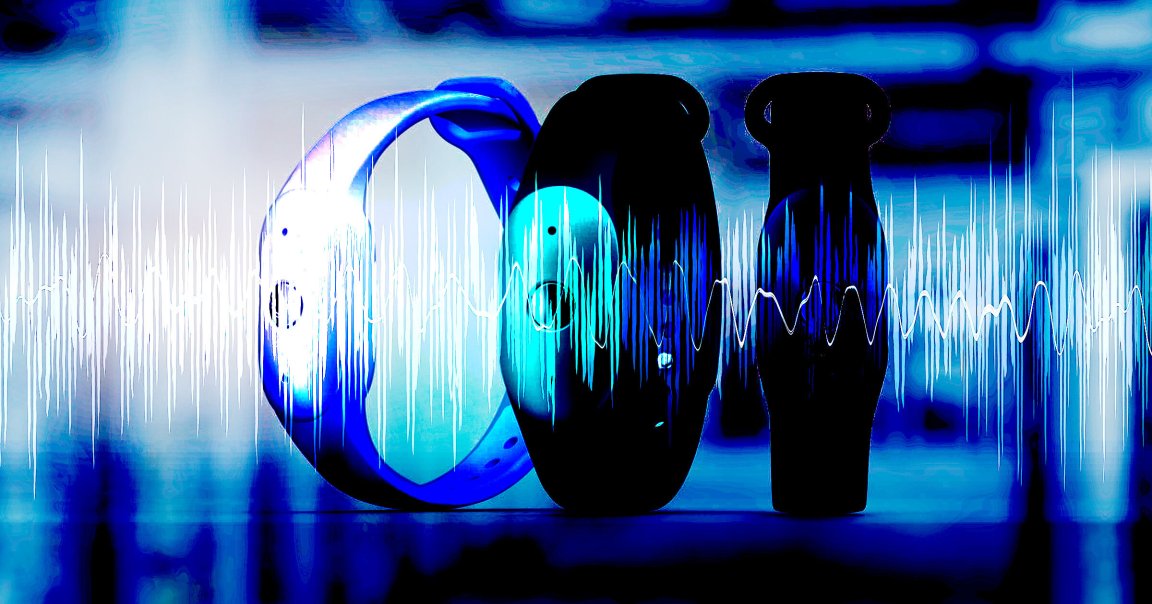
Called the “Bee,” Amazon’s new hardware platform spans two devices, which are basically just a large language model (LLM) packed onto a watch-sized microphone, as Gizmodo reported. Customers can currently buy the “Bee Frontier” wearable version, which comes with a watch strap, for $75. Or Amazon aficionados can hold out for the “Bee Eclipse,” a $100 plastic puck that fits onto the back of your phone.
And when we say these gadgets are always listening, we mean it. Don’t take our word for it — in its press release announcing the new devices, Amazon explained that the Bee Frontier has a seven-day battery life, allowing it to “stay with you through a full week without interruption.”
This being an Amazon device, e-commerce is an essential selling point: “whether it’s remembering the details of important meetings, taking note of the coffee plans you made in passing, or simply ensuring you purchase the dish soap you said you’d buy, Bee Frontier will remember the details for you,” the release enthused.
As you might expect by this point in 2026, you’re not getting away with a one-time purchase. In order to use some core features like “unlimited recent conversation summaries” and access to an Alexa-style “personal chat assistant,” Bee owners will need to subscribe to Bee Pro, which costs $12 a month. (New customers get a month of Bee Pro on the house.)
The device follows a growing trend among hardware brands to eschew physical interactivity in favor of AI-integrated monitoring devices. Meta has its AI Glasses, which have been found recording users even when they’re in sleep mode, while OpenAI is developing a screen-less smart speaker engineered by famed Apple designer Jony Ive.
Whether any of these devices catch on with consumers remains to be seen, but it seems unlikely. A YouGov poll from earlier this year found that some 61 percent of Americans feel it’s very important to limit who has access to their data — which isn’t a great sign for anybody selling what amounts to an AI-powered ankle monitor.
More on hardware: Anthropic Warns “AI Worms” Will Infect Your Smart Home Devices and Use Them to Self-Replicate Beyond Control