

Meme wisdom holds that modern problems require modern solutions, but what peddlers of this internet adage failed to consider is that an antiquated and possibly impractical approach could be loads more fun.
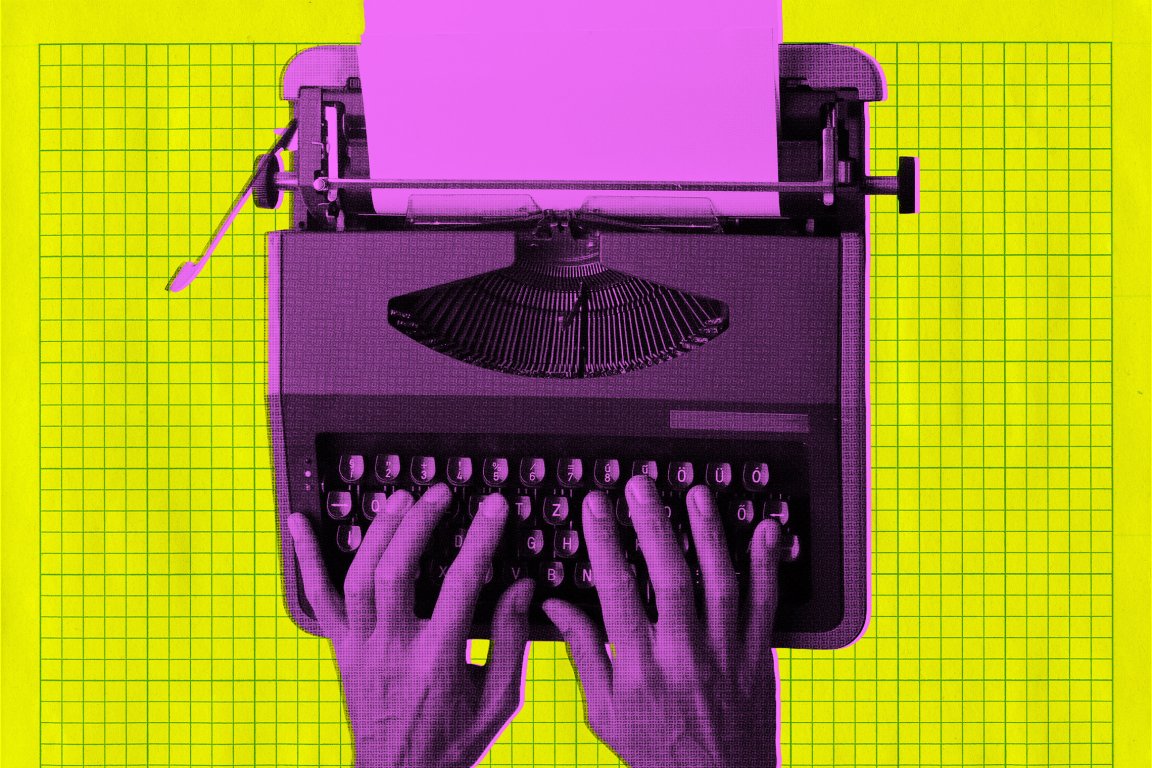
We present Grit Matthias Phelps, a German language instructor at Cornell University who’s rebelling against a world gone mad with AI fever and pervasive brainrot by compelling students to use typewriters in class, the Associated Press reports.
It’s an exercise she only conducts once a semester, but seems to leave a lasting impression on her pupils. Suddenly, they’re forced to depend not on screens, but on themselves and their classmates. The closest thing they hear to an attention-span destroying notification is the ding of the typewriter bell letting them know that they only have a few characters left on a line.
“It dawned on me that the difference with typing on a typewriter is not just how you interact with the typewriter, but how you interact with the world around you,” computer science major Ratchaphon Lertdamrongwong, a sophomore, told the AP.
“While writing the essay, I had to talk a lot more, socialize a lot more, which I guess was normal back then,” Lertdamrongwong added, referring to when typewriters were the norm. “But it’s drastically different from how we interact within the classroom in modern times. People are always on a laptop, always on the phone.”
Phelps said she began the exercise in the spring of 2023 after becoming frustrated with students using AI and online translation tools to complete assignments. “What’s the point of me reading it if it’s already correct anyway, and you didn’t write it yourself? Could you produce it without your computer?” Phelps told the AP.
She scrounged together some typewriters she thrifted and started including an “analog” assignment in her course syllabus; the purpose was to give students an idea of what learning was like before digital tech.
It’s not a widely applicable blueprint for tackling AI’s intrusion into education, but it does evince a broader trend of how schools and colleges are reverting to more analog practices to subvert it. Some intructors now favor administering oral exams and requiring handwritten notes. Word documents are being traded for blue book essays composed in class. Meanwhile, more high schools are experimenting with banning phones during school hours.
“This might sound bad, but I was forced to actually think about the problem on my own instead of delegating to AI or Google search,” Lertdamrongwong told the AP.
Catherine Mong, a freshman in Phelps’ Intro to German class, called the assignment of typing a poem “fun and challenging.” She experimented using the typewriter to write fragmented poetry in the style of mid 20th century poet e e cummings.
“I’m probably going to hang them on my wall,” Mong said, proudly. “I’m kind of fascinated by typewriters. I told all my friends, I did a German test on a typewriter!”
The most brutal lesson, however, was a physical one: most of the students learned that their feeble fingers weren’t strong enough to touch-type on the stiff contraptions.
More on AI: Students Renting Smart Glasses to Cheat on Tests