

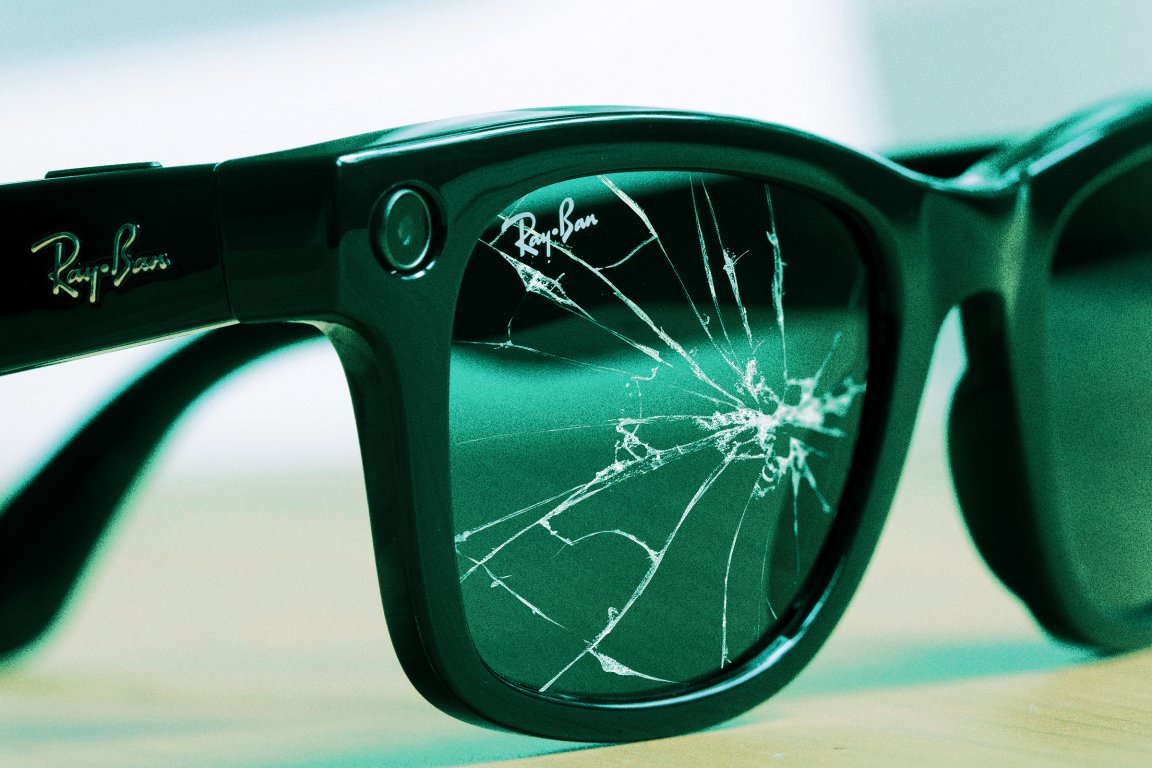
Meta’s camera-equipped “AI Glasses” are so divisive that some adopters are now leaving their expensive smart glasses at home, as Engadget reports.
Influencers, mostly men, have been using the glasses to inconspicuously — and non-consensually — capture footage of themselves approaching women and attempting to hit on them, interactions they’ve then posted online for content. Some wearers have even attempted to extort victims of covert recordings for cash. That’s on top of serious allegations of alleged privacy breaches by Meta itself.
And then, of course, there’s the simple fact that a lot of people just really don’t like the idea of the world’s largest and most powerful social media giant, which has a history of misusing biometric information and other data, facilitating abuse and surveillance in this way — especially as Meta has taken highly controversial steps to infuse facial recognition capabilities into the tech.
The wearables have become so alienating that many people have taken to simply referring to the shades as “pervert glasses.”
In short, it’s no wonder some owners aren’t exactly thrilled to be seen in public while wearing them. Several of them told Engadget that while they were initially excited about the tech, misuse and allegations of privacy violations on behalf of Meta have made them hesitant to use their smart glasses outside of their own home.
“A lot of men and their behaviors have ruined this product,” a travel creator named Danielle told Engadget. “I wouldn’t feel comfortable around somebody wearing them, so I wouldn’t expect anybody to be comfortable around me wearing them, no matter where I am.”
“At this point,” she continued, “they’re like a fancy paper weight.”
Will Kujawa, a freelance video producer, told Engadget that he was “blown away” by the comment section when he posted online about thinking of buying a pair, and that the intensity of the response made him think twice.
“I saw all these comments about if you wear those glasses you’re basically a predator or a creep, and I was like, ‘Oh, maybe it’s not a good idea to have those,'” said Kujawa. “I didn’t really think that through all the way… there are a lot of times where it’s not appropriate to wear cameras on your face.”
Nonetheless, Meta’s smart glasses are vastly more popular than predecessors like Google Glass, and other tech giants are now racing to catch up. Despite the ongoing privacy lawsuit and glasses-enabled abuse, Meta recently launched a much-discussed new campaign with billionaire reality TV star Kylie Jenner. CEO Mark Zuckerberg remains convinced that smart glasses will eventually replace the smartphone.
Should sales continue to rise, the controversy surrounding Meta’s smart glasses is likely to deepen.
More on Meta glasses: Meta Lied About Its Smart Glasses Protecting User Privacy, New Class Action Lawsuit Claims