

With hundreds of billions of dollars still flowing into the tech industry, it’s becoming harder and harder to deny the reality that the US economy is enmeshed in a financial bubble of incredible proportions. As recent polls have shown, the majority of Americans don’t only agree that there is an AI bubble, they’re increasingly concerned about it as well.
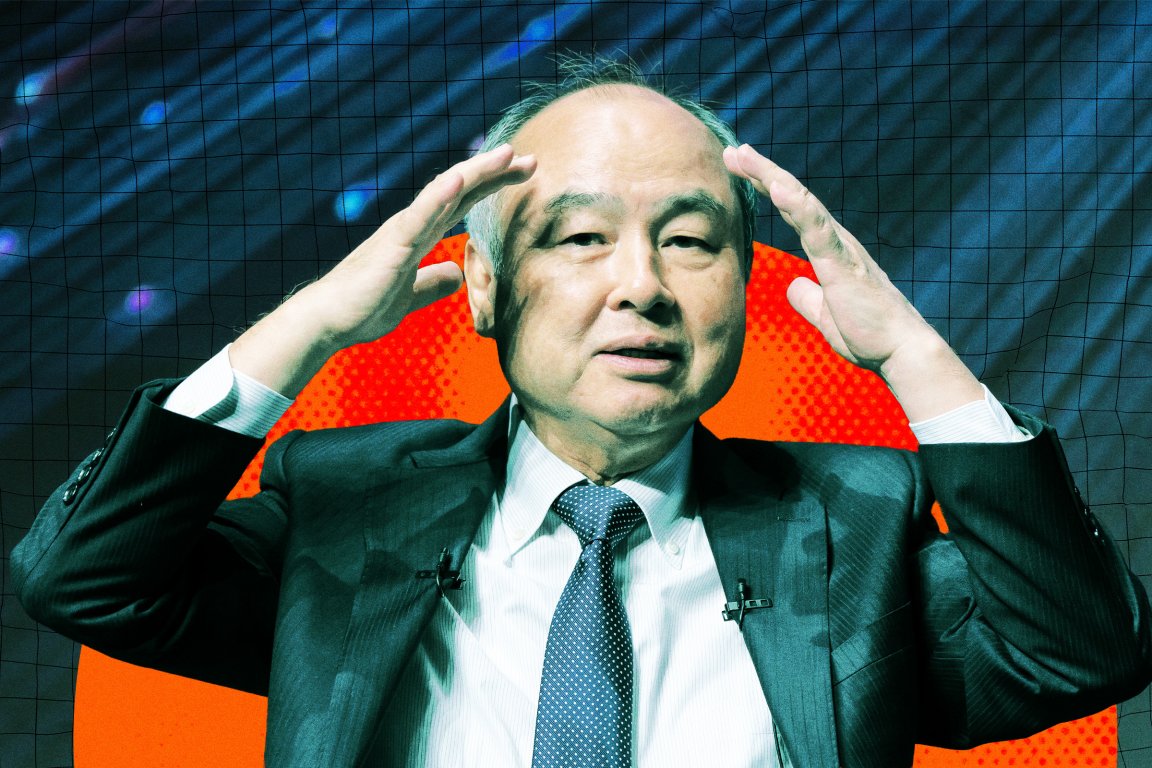
One man who isn’t swayed is Japan’s richest investment mogul, SoftBank CEO Masayoshi Son. Speaking at his company’s annual corporate conference in Tokyo, Son groused that any talk of an AI bubble is “absurd,” adding that he’s willing to waste trillions of dollars a year for decades if that’s what it takes to make AI a financial success.
“Asking if AI is a bubble is absurd. I don’t think people who ask that question know what AI is about,” Son said to conference attendees, as Reuters reported. “Every year $5 trillion, or 800 trillion yen, you might think that’s a lie, but I am confident that’s what it will cost.”
Son has previously said he thinks it’s “blasphemy against AI if you say it’s a bubble,” claiming that the tech’s “potential will be unlocked.”
But whether the tech industry can ever make AI financially viable is a particularly sensitive issue for SoftBank. The investment bank has lavished ChatGPT maker OpenAI with nearly $65 billion so-far, a spend so enormous that it forced major credit ratings agencies to downgrade SoftBank’s standing over the last few months.
As S&P Global’s analysts wrote when they downgraded SoftBank’s outlook from “neutral” to “negative” in March, the “liquidity of SoftBank Group’s investment portfolio will worsen because OpenAI now accounts for a bigger share of it.”
In particular, S&P warned against the exact path CEO Son seems to be doubling down on.
“The additional investment will further reduce SoftBank Group’s financial capacity, in our view,” S&P’s credit report explained. “We estimate that the additional investment in OpenAI will knock nearly four percentage points onto the company’s [loan-to-value] ratio, worsening this key financial metric.”
These invectives evidently haven’t spooked Son, who once predicted that AI superintelligence would exist by 2035.
Now, he’s adding five years to that prediction: “The business model will be viable because by 2040,” Son said, “if AI revenue makes up 20 percent of global GDP, spending 800 trillion yen a year is a rounding error.”
More on AI: Americans Increasingly Alarmed About Tech Industry’s Looming AI Bubble