

Investors were not impressed by SpaceX’s first-ever earnings report earlier this week. Shares dropped by more than ten percent, even after the company reported higher than expected revenue — comforting financial news which, unfortunately for CEO Elon Musk, was overshadowed by the venture’s massive AI spending.
The same day, SpaceX insiders, including employees and executives, got their first real opportunity to turn their holdings into cash after the total shares available for trading grew from around 639 million to 1.55 billion, a chunk of the stock valued at just over $100 billion being unlocked.
As Reuters put it, investors now faces an “irresistible opportunity to cash out.”
“This has to be the most talked-about lockup in the history of IPO lockups,” institutional brokerage firm R.F. Lafferty & Co CEO Robert Hackel told the agency. “You are going to see a lot of exits.”
It’s no wonder Musk’s rocket company is facing massive pressure this week. Shares are down more than 28 percent over the past month, currently hovering around $114, which is miles below its mid-June record high of $225.
SpaceX’s massive volatility briefly made Musk the world’s first trillionaire — only for him to lose that title once his rocket company’s stock came crashing back to Earth.
Its current share price is also low enough to keep an additional 455 million shares locked up, since it’s still south of its $135 IPO price, setting the stage for even more volatility if it were to claw itself back to that point.
Musk remaind steadfast in his ambitious vision for the company, from orbital data centers to a fleet of humanoid robots that would enable large scale manufacturing on the surface of the Moon.
During Tuesday’s earnings call, he admitted that his plans sound “totally nuts” and “super sci-fi right now,” but maintained that “it’s going to happen.”
Whether investors continue to buy into his vision, though, is anything but guaranteed. SpaceX’s success so far this year has largely been built on hype surrounding AI. The company was merged with Musk’s AI startup, xAI, bringing in plenty of new investors — but saddling it with billions of dollars in additional debt.
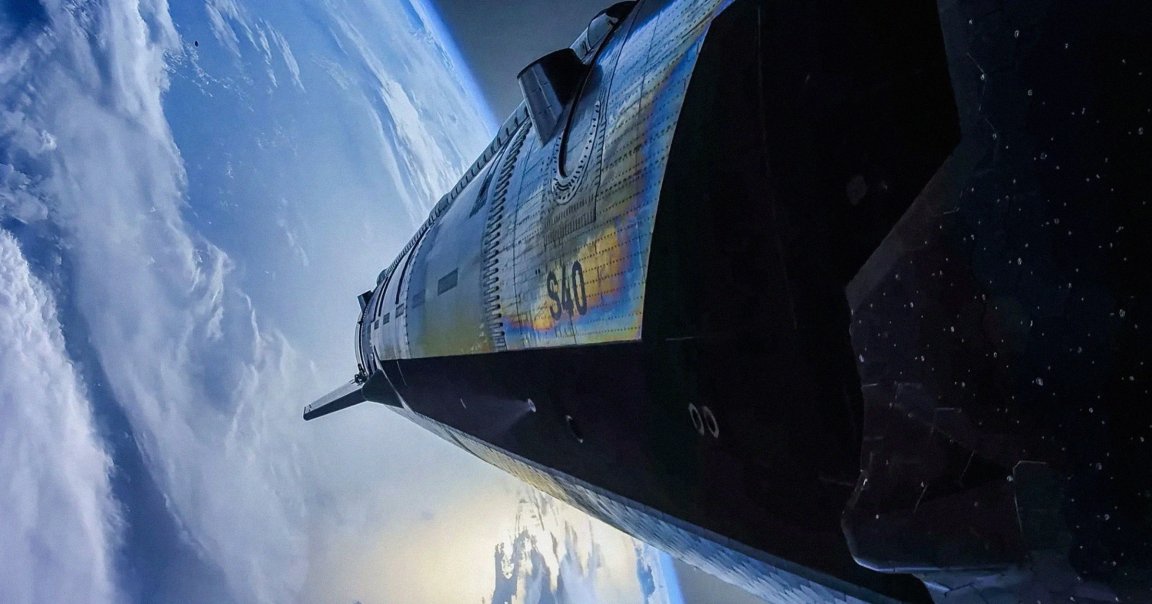
Its space ambitions hinge almost entirely on the success of Starship, a super-heavy launch platform that has yet to complete a single successful flight and landing.
SpaceX’s revenues, meanwhile, are heavily dependent on its Starlink satellite internet service. There’s certainly good news there, but the program also saw its average revenue per user drop over the last quarter, rattling investors.
In short, SpaceX’s path to profitability is inextricably linked to the belief that Musk’s sci-fi dreams can be turned into reality in a short enough time period that the dream won’t collapse in on itself.
“SpaceX wants to tell the story they’re the market leader,” The Westly Group founder Steve Westly told CNBC. “But people still have these questions: how quickly can they grow? How big are the costs going to be before this thing gets to profitability?”
More on SpaceX: SpaceX Achieves Its First Moon Landing by Accidentally Crashing Into It at 5,400 Miles Per Hour, Causing Huge Explosion and 60-Foot Crater