

Prediction markets like Polymarket and Kalshi operate in a regulatory vacuum that’s long garnered a reputation for allowing insider trading to run rampant — and that’s without getting into their role in encouraging problem gambling.
The platforms, which effectively apply the approach of popular sports betting companies to allow the public to wager on practically anything, clearly give holders of confidential information a massive leg up.
As such, bets on the platforms aren’t particularly indicative of the probability of an event actually happening as opposed to which side is more financially invested in either outcome. It’s a murky and ethically dubious web of hidden incentives that more often than not leaves the average user holding the bag.
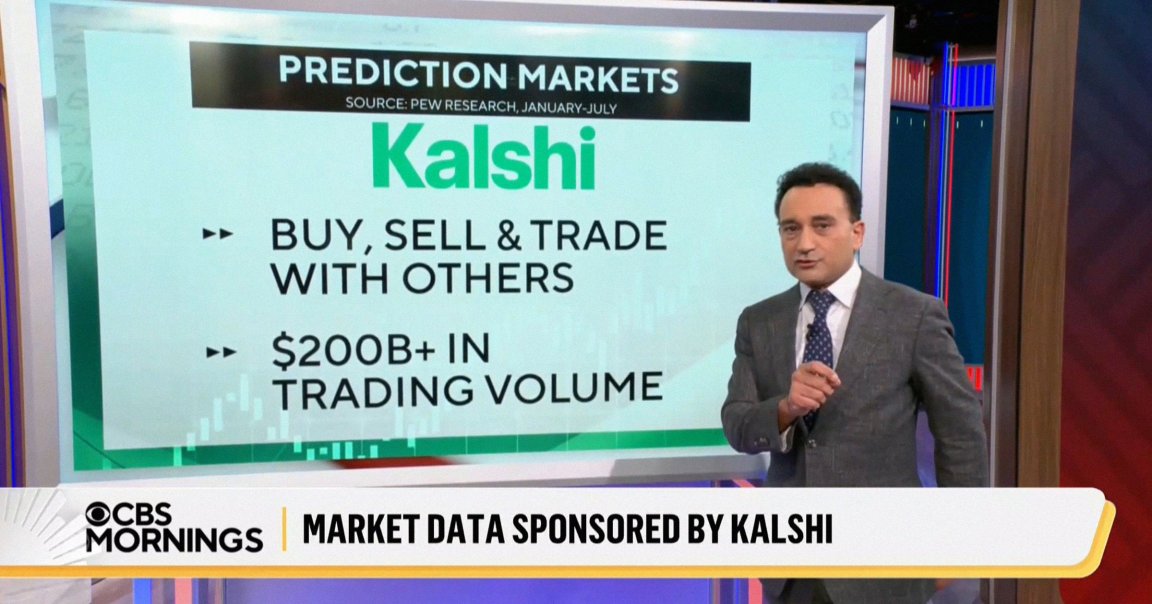
Now CBS News, under the contentious leadership of editor-in-chief Bari Weiss, is the latest news enterprise to embrace prediction markets. The broadcaster threw caution — and journalistic integrity — to the wind by signing a partnership with Kalshi to cover the upcoming elections.
The move highlights how compromised the current media landscape has become throughout Donald Trump’s second term. It also risks further undermining the public’s trust in the media, which is already at an all-time low after years of mostly erroneous accusations of “fake news.” (To say the Trump administration has a strained relationship with the media and journalism as a whole would be a vast understatement.)
The partnership raises thorny questions. What’s stopping reporters at CBS from making a quick buck on the side? Isn’t reporting on current bets on Kalshi inherently going to skew the results one way or another?
CBS joins the likes of CNN and CNBC with its latest data partnership, presenting viewers with untrustworthy predictions as the “news” while legitimizing glorified gambling.
Worse yet, the United States is already in the midst of a gambling addiction crisis, with more than half of men aged 18 to 49 using addictive online sports betting apps. Having mainstream news broadcasters effectively run hours-long advertisements for prediction platforms likely won’t help.
While broadcasters like CBS seemingly have no qualms about embracing the troubling trend, other newsrooms, including ProPublica, NPR, Time magazine, and the New York Times, have chosen to draw the line by issuing broad bans against having employees bet on news events.
“If you are covering, let’s say, a war in Iran, you also shouldn’t be taking monetary stakes in it so that you’re somehow enriching yourself off the news events,” ProPublica assistant managing editor Diego Sorbara told The Verge earlier this year. “Just as you wouldn’t buy stocks, I think we felt that this was almost a natural progression.”
One thing’s for sure: CBS tying the knot with Kalshi doesn’t bode well for November’s extremely high-stakes midterm elections in the US.
More on Kalshi: Kalshi Admits That It Took a Random Guy’s Video and Used AI to Make Him the Host of an Ad, Changing His Race in the Process