
Following a growing string of high-profile departures, OpenAI has lost its head of ethics at arguably the worst time possible.
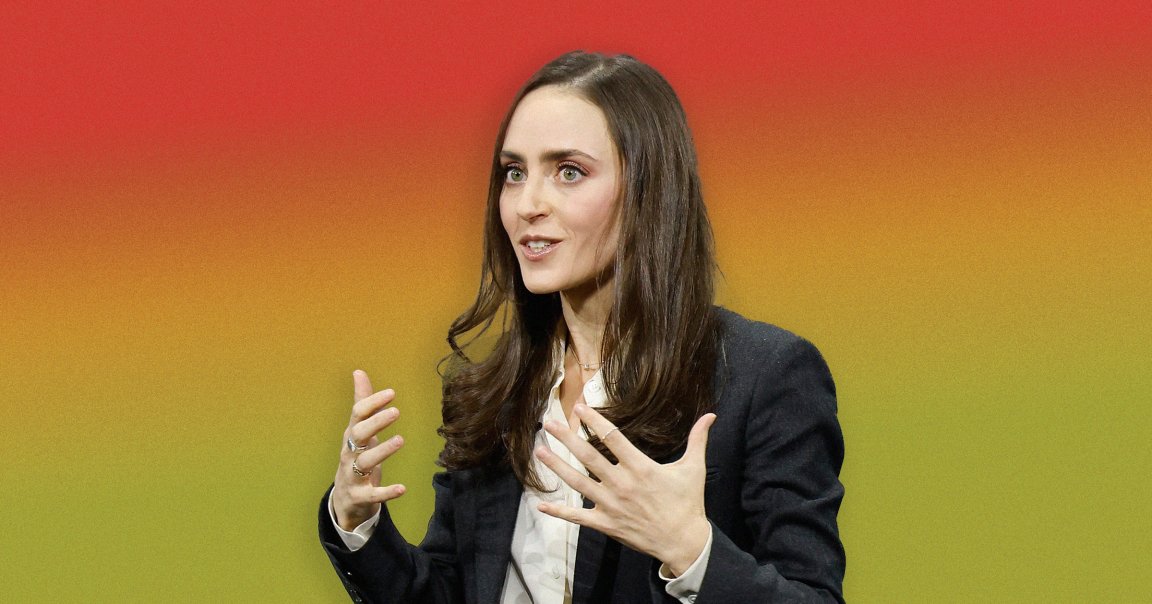
As the Financial Times reports, Chloé Bakalar left her post as the AI ethics lead in July, less than a year after joining the company and without any accompanying announcement. Interestingly, her LinkedIn still claims she’s employed at the firm.
There currently is no replacement lined up, suggesting shifting priorities at the company. According to the FT’s sources, Bakalar was the only remaining dedicated ethicist at the company.
The timing of Bakalar’s departure is noteworthy. The Sam Altman-led company has been embroiled in a major controversy after revealing that a group of its AI models broke containment and hacked into the systems of open source AI platform Hugging Face.
In other words, OpenAI needs a competent team of AI ethicists now than ever before as the industry reels from the possibility of frontier AI models going rogue, in what many experts say is a cybersecurity nightmare in the making.
The development proved alarming enough that OpenAI vowed last week to slow the release of its upcoming Astra AI model.
“We cannot rule out critical cyber capabilities,” the company admitted, following internal evaluations of the model.
Bakalar had been primarily tasked with coming up with ethical approaches to AI model development and studying how AI interacts with humans.
“Ethics is actually everyone’s responsibility, and I say that as someone whose job it is to lead this work,” she told audiences during a recent AI conference, as quoted by the newspaper. “You shouldn’t just come to people like me. There should never just be one person who serves as the moral centre of an AI developer.”
It’s a particularly symbolic departure for a company that once billed itself as an ethical non-profit. The company restructured itself into a primarily for-profit business last year, largely betraying its non-profit roots. The company’s plans to go public could further erode any lingering commitments to the ethical development of AI.
Meanwhile, its competitor Anthropic, which has long billed itself as the more ethical alternative to OpenAI, is similarly struggling to maintain its public image. The company dropped its core safety commitments earlier this year.
The company still has an alignment team, led by philosopher Amanda Askell, who is tasked with giving its flagship chatbot Claude a sense of right and wrong.
But whether any of these remaining AI ethics efforts will matter as the industry continues to deal the environment a devastating blow, force users down dangerous spirals of delusion, and facilitate a flood of misinformation on the web, is debatable at best.
More on AI ethics: If You Think AI Companies Are Unethical Now, Wait Until They Go Public