

Let Elon Musk never be accused of not leading by example.
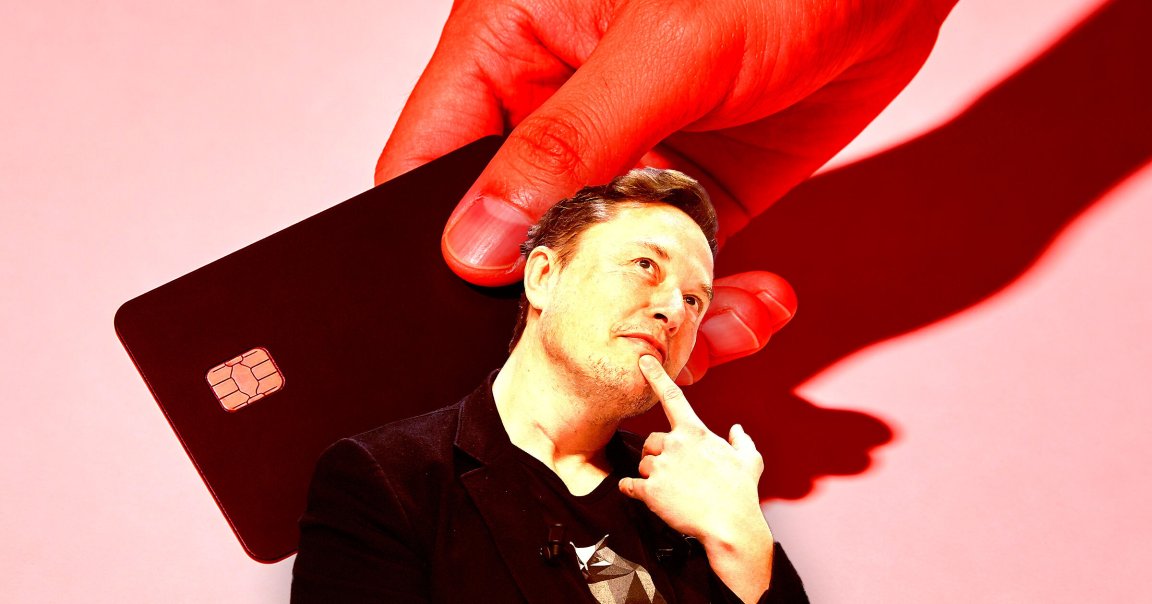
Last week, the world’s richest man sung the praises of his new Grok Bot AI agent, encouraging his followers to let it control their credit cards and shop for them.
“To buy stuff, you can just take a picture of your credit card, drop it in the chat and Grok @Bot will scour the Internet for the best deal on the item you want and order it,” he wrote.
The next day, he posted a screenshot of how he’d used Grok do exactly that, telling it “to research the most fun Lego Star Wars kits for young kids and order them.” If it wasn’t a testament to how much of a thoughtful dad he was, it at least showed that Grok could, in fact, use your credit card.
But almost as if provoking pranksters, Musk didn’t censor his screenshot at all. There, on proud display, was his order number, his email, and even the last four numbers of his credit card.
Immediately, a user named Enderman posted screenshots showing how he supposedly tricked a LEGO customer service bot into canceling Musk’s order. The post went mega viral, and an outraged Musk, taking the bait, fumed in the replies and insisted his order wasn’t canceled.
True or not — Musk certainly isn’t above a little lying — imitators followed. Another jokester showed how they used the LEGO support bot to un-cancel Musk’s order and place 400 more orders of the same product. To top things off, he also claimed to change the shipping address to Little St James, the infamous island owned by Jeffrey Epstein, which Musk discussed visiting in emails with the deceased sex trafficker.
LEGO passed up on providing a surreal statement for the ages, declining Wired’s request for comment.
Anyway, it’s probably not a good idea to let an AI agent, Grok included, control your financial information. Scammers have been targeting AI chatbots to manipulate them into recommending — or buying — scam products, such as by propping up entire fake storefronts to phish for your information or imitate defunct businesses. And the more permissions you give an AI, the more chances it has to make a terrible mistake.
More on AI: Completely Unused ChatGPT Accounts Are Telling Users They’re in the Top Percentiles of Intelligence