

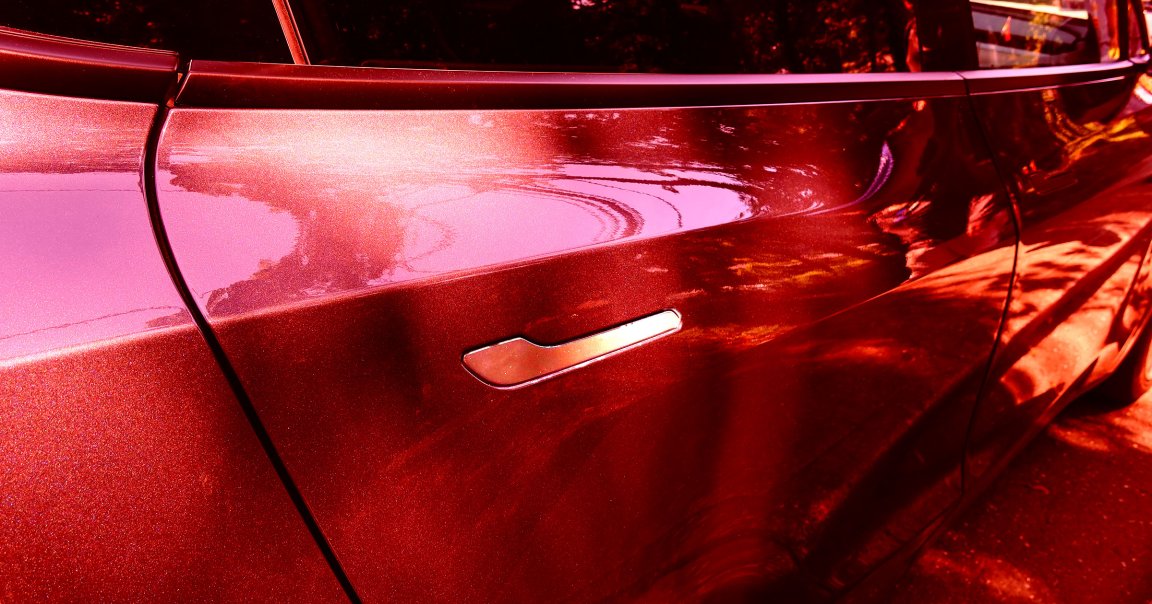
For many years now, Tesla’s retracting door handles have proven disastrous in emergencies, trapping occupants within the vehicles — especially in the event of a fire, when the design-forward handles can make it difficult, if not impossible, for first responders to rescue passengers caught inside.
Despite numerous wrongful death lawsuits blaming the design feature over the years, US regulators have yet to take meaningful action. Even the mechanical latch on the interior can be nearly insurmountable in a crisis, unless you specifically know it’s there.
Now, the Chinese government has finally decided that enough is enough. Last week, officials announced a recall of almost three million Tesla Model 3 and Model Y vehicles. They argue that the interior emergency mechanical door handles are “difficult to identify” because they are “close to the color of the interior.”
“When a serious collision causes extreme situations such as the failure of the vehicle’s low-voltage system, it may affect the driver and passenger’s ability to quickly open the door to escape and rescue people outside the vehicle, posing a safety hazard,” China’s State Administration for Market Regulation wrote in its announcement, as translated into English.
The government will now require warning labels to be affixed to the vehicles, as well as an over-the-air update that will “add a post-accident window lowering strategy to reduce safety hazards.”
The regulator issued a separate recall affecting almost 400,000 Xiamoi SU7 EVs, citing identical dangers.
In February, China became the first country to require car door handles to be operable from either side mechanically, such as by lifting a handle. The rules will go into effect next year and will more than likely force Tesla to implement design changes going forward.
Other carmakers have already started manufacturing vehicles with doors that can be manually operated, changes that could potentially save lives.
It’s unclear when or if the US will follow suit. In July, the National Highway Traffic Safety Administration hinted at new safety standards for all carmakers to ensure that occupants can safely exit their vehicles in case of emergencies, but has yet to formally announce any concrete changes.
According to a regulatory filing at the time, the NHTSA said it was granting a petitioner’s request to “mandate a robust and obvious door egress system in all motor vehicles.”
While Center for Auto Safety executive director Michael Brooks welcomed the news, calling it “very significant” in an interview with Bloomberg, he said that he “wouldn’t expect to see a final compliance date for manufacturers before 2030 even if the rulemaking proceeds swiftly.”
More on Tesla: Tesla Robotaxi With No Driver Spotted Smashing Through Traffic Barriers